403 West Windsor Road, Champaign, IL 61820.

When you lose a tooth — or several — the choice you make next matters more than most people realize. The debate around dentures vs. implants: which preserves your jawbone better in Champaign is one we hear often at W. Eric Martin, DDS, PC. Both options restore your smile, but they behave very differently inside your mouth. Understanding the long-term differences helps you make a confident, informed decision.
Why Jawbone Preservation Matters After Tooth Loss
Most patients focus on appearance after losing teeth. That is completely understandable. But beneath the surface, something critical is happening — your jawbone is changing.
Bone needs stimulation to stay healthy and dense. Your natural tooth roots provided that stimulation every time you chewed. Once a tooth is gone, the bone underneath begins to shrink. This process is called bone resorption, and it starts within the first year of tooth loss.
Over time, bone loss changes the shape of your face. Cheeks can appear sunken. Your bite shifts. Remaining teeth may loosen. Choosing the right tooth replacement option directly impacts how much bone you keep — and how your face looks years from now.
How Dentures Affect Your Jawbone Over Time
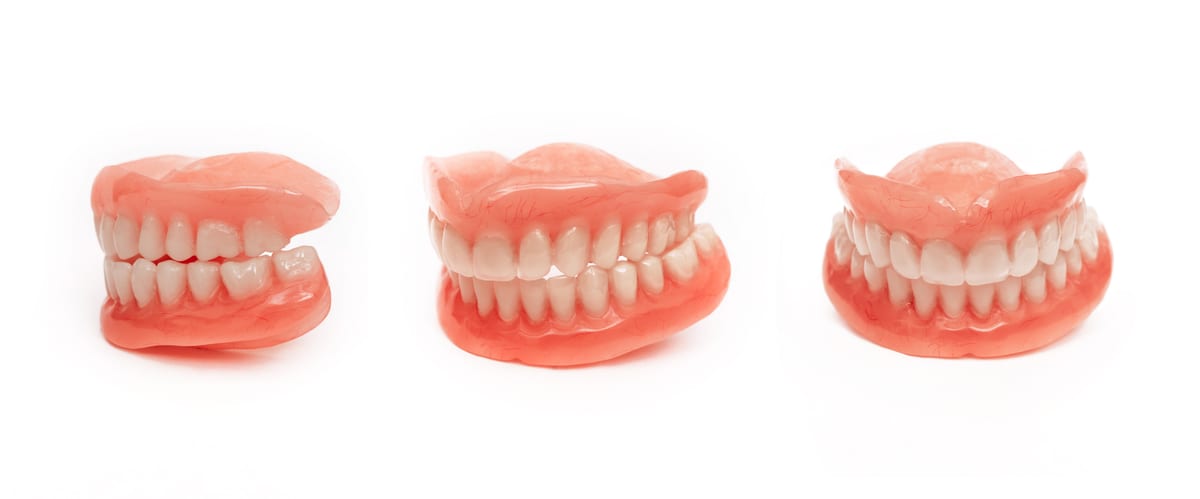
Traditional dentures sit on top of the gum line. They do not connect to the bone beneath. Because of this, dentures do not stimulate the jawbone the way natural teeth do.
Over months and years, the bone continues to resorb under the denture. The denture that fit perfectly at first gradually becomes loose. Many patients need periodic adjustments or relining to maintain a proper fit.
Here is what long-term denture wear can involve:
- Progressive bone loss beneath the gum line
- Changes in facial structure and appearance
- Difficulty chewing certain foods
- Increasing denture instability over time
- Potential need for adhesives to keep dentures in place
Dentures are still a viable option for many patients. They are more affordable upfront, and modern dentures look natural and realistic. However, they do not address the underlying bone loss issue.
How Dental Implants Preserve Bone — And Why It Matters in Champaign
Dental implants work very differently. A titanium post is surgically placed directly into the jawbone. That post acts like a tooth root, providing the bone stimulation it needs to stay dense and healthy.
This is the key reason Dental Implants Champaign patients pursue is such a popular long-term solution. Implants are the only tooth replacement option that actively prevents bone loss. They integrate with the bone through a process called osseointegration, creating a stable, permanent foundation.
Benefits of dental implants for jawbone health include:
- Direct stimulation of the jawbone with every bite
- Prevention of bone resorption beneath the restoration
- Preservation of facial structure over time
- Stability that does not diminish over the years
- No need for adhesives or removal for cleaning
Patients in Champaign who choose implants often report that eating, speaking, and smiling feel completely natural. That quality-of-life difference is significant for many people.
Cost, Function, and Quality of Life: An Honest Comparison
We want to be straightforward with you. Dental implants cost more upfront than dentures. That is simply the reality. A single implant involves surgery, a healing period, and a custom crown — all of which require more time and investment.
Dentures are a more accessible starting point for many patients. They can restore your smile quickly and at a lower initial cost. For patients who are not candidates for surgery, dentures remain a practical and dignified solution.
However, when you consider the long-term picture, implants often prove more cost-effective. Dentures may need to be replaced every five to ten years. Relining, adjustments, and adhesives add ongoing costs. Implants, with proper care, can last a lifetime.
From a functional standpoint, implants allow you to eat a wider range of foods without worry. Dentures can limit dietary choices, especially with harder or crunchier foods. Many patients also feel more confident socially when they do not need to think about denture movement or slippage.
For those curious about the full range of smile restoration options available, Cosmetic Dentistry Champaign services at our practice cover everything from aesthetic improvements to functional restorations.
Which Option Is Right for You?
There is no single right answer for every patient. The best choice depends on your bone density, overall health, budget, and personal goals. Some patients are excellent implant candidates. Others benefit more from dentures — at least initially.
Implant-supported dentures are also worth discussing. These combine both worlds. Implants anchor the denture securely, reducing bone loss while keeping costs lower than a full implant restoration. Dr. W. Eric Martin can evaluate your specific situation and walk you through every realistic option.
Patients throughout Champaign, IL trust our team to provide honest, thorough guidance — not a sales pitch. We help you weigh the short-term and long-term factors so you leave informed and confident.
Making Your Decision With Confidence in Champaign
Tooth loss is never easy. But the decision you make about how to replace those teeth shapes your oral health for years to come. When weighing dentures vs. implants and which preserves your jawbone better in Champaign, the clinical evidence consistently points to implants as the superior choice for bone health. That said, every patient is different, and a personalized consultation makes all the difference.
At W. Eric Martin, DDS, PC in Champaign, IL, we take the time to listen, evaluate, and educate. You deserve to feel great about your smile — and confident in the choice that gets you there. Book Now to schedule your appointment with our team.
Frequently Asked Questions
Do dentures cause jawbone loss over time?
Yes. Traditional dentures rest on the gum surface and do not stimulate the jawbone beneath. Without that stimulation, the bone gradually shrinks through a process called resorption. This can lead to changes in facial appearance and a looser denture fit over the years.
How quickly do dental implants prevent bone loss?
Dental implants begin preserving bone as soon as osseointegration occurs — typically within three to six months after placement. The titanium post fuses with the jawbone and provides stimulation with every bite, halting the resorption process that starts after tooth loss.
Are dental implants a better long-term investment than dentures?
For many patients, yes. While implants cost more upfront, they can last a lifetime with proper care. Dentures typically need replacement every five to ten years and may require ongoing adjustments, adhesives, and relining — all of which add to the total cost over time.
Can I get implants if I have already worn dentures for years?
It depends on how much bone remains in your jaw. Prolonged denture use often leads to significant bone loss. In some cases, a bone graft can help rebuild enough volume for implant placement. Dr. W. Eric Martin can evaluate your current bone density and discuss your options during a consultation.
What are implant-supported dentures, and are they a good middle ground?
Implant-supported dentures use a small number of implants to anchor a removable denture securely. They reduce bone loss compared to traditional dentures, improve stability, and often cost less than a full implant restoration. They can be an excellent option for patients who want the benefits of implants without the full cost commitment.