403 West Windsor Road, Champaign, IL 61820.

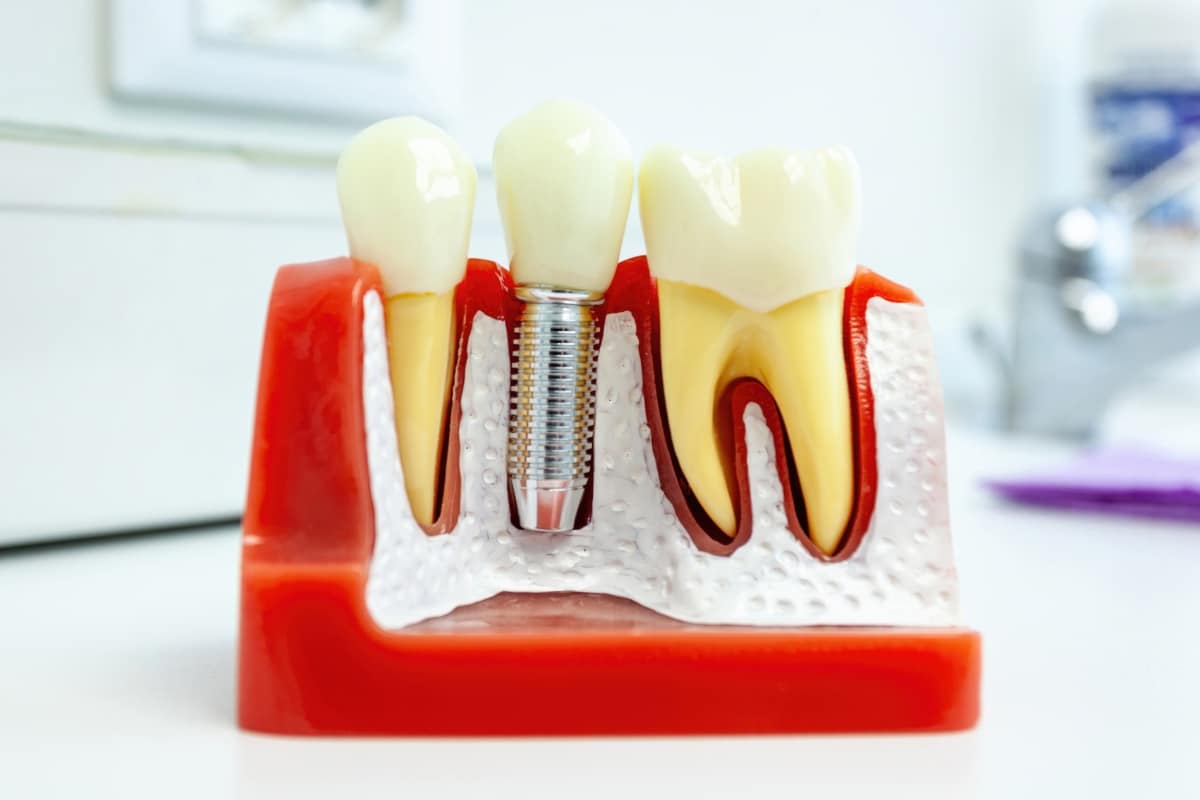
Jawbone loss can affect more than your teeth. It can weaken the support needed for chewing, change the shape of your smile, and make replacing missing teeth more complicated. When the bone becomes too thin or weak, a dental bone graft may help rebuild the area and prepare it for future treatment.
Recovery takes time because the graft needs to integrate with your existing bone. Some patients feel comfortable within days, while the deeper healing process continues for several months. Understanding each stage can help you prepare for recovery and know what questions to ask your dental provider.
For people planning dental implants in Champaign, bone grafting may be necessary when the jaw does not have enough healthy bone to support an implant. The procedure helps create a stronger foundation for tooth replacement, although not every implant patient needs a graft. Your dentist will assess your bone structure and recommend treatment based on your individual needs.
What Does a Dental Bone Graft Do?
A dental bone graft restores or preserves bone in an area where the jaw has lost volume. After a tooth comes out, the surrounding bone no longer receives the same stimulation from chewing. As a result, the body may gradually resorb some of that bone. Gum disease, facial injuries, and certain developmental conditions can also contribute to bone loss.
A dentist may recommend grafting to preserve an extraction site, repair bone damaged by periodontal disease, or build up an area before implant placement. The procedure can also help maintain the jaw’s structure after tooth loss. However, a graft cannot reverse every effect of bone loss, so a thorough examination is important before treatment.
If you have noticed a missing tooth or have been told that your jawbone lacks sufficient support, searching for a dentist near me can be a starting point for arranging an evaluation. Dental imaging helps the provider determine how much bone remains and whether grafting could improve your treatment options.
Different Materials Used for Dental Bone Grafting
The best grafting material depends on the amount of bone missing, the location of the surgical site, and the planned restoration. Your dentist will explain the available options before the procedure.
Autograft: Bone From Your Own Body
An autograft uses bone taken from another area of your body, sometimes from the jaw or chin. Because the material comes from your own tissue, it can support bone regeneration effectively. However, collecting it requires an additional surgical site, which may affect recovery.
Allograft: Processed Donor Bone
An allograft uses bone obtained from a human donor and processed for medical use. It provides a framework that helps your body form new bone without requiring bone collection from another part of your body.
Xenograft: Animal-Derived Material
A xenograft typically uses specially processed animal bone, often from a bovine source. The material acts as a scaffold that supports new bone development as healing progresses.
Your provider may also discuss synthetic grafting materials. Each option has specific benefits and limitations, so the choice should reflect your oral health, the size of the defect, and your overall treatment plan.
The Stages of Dental Bone Graft Healing
Bone graft healing does not happen overnight. The gums recover first, while the deeper bone continues to develop and strengthen.
Initial Recovery: The First Few Days
After surgery, the body begins its natural healing response. Mild swelling, tenderness, bruising, and a small amount of bleeding may occur. These symptoms usually improve gradually during the first several days.
Your dentist may recommend prescribed or over-the-counter medication, cold compresses, and temporary changes to your diet. Follow your specific post-operative instructions, as the right care depends on the procedure performed.
Early Tissue Repair and Blood Supply Development
As the initial inflammation settles, blood vessels help deliver oxygen and nutrients to the surgical area. These resources support tissue repair and the early stages of bone regeneration.
During this period, protecting the graft is especially important. Avoid disturbing the surgical site with your tongue, fingers, vigorous rinsing, or unnecessary pressure from food.
New Bone Development Over Several Months
Over the following weeks and months, your body gradually develops new bone around and within the grafted material. The speed of this process depends on the graft type, the size of the area, and your individual healing response.
You may feel normal during everyday activities before the underlying bone has fully matured. Feeling better does not necessarily mean the graft is ready to support an implant.
Bone Remodeling and Preparation for Implants
As healing continues, the new bone changes and adapts to the surrounding jaw structure. Your dentist will evaluate the grafted area to determine whether it has developed enough volume and stability for the next stage of treatment.
Follow-up examinations and dental imaging help guide this decision. Implant placement should proceed only when your provider determines that the site is suitable.
How Long Does a Dental Bone Graft Take to Heal?
There is no single timeline that applies to every patient. The following stages offer a general guide, but your dentist’s recommendations should take priority.
- First 1–2 weeks: Gum tenderness and swelling generally begin to settle. You may need soft foods and should avoid placing pressure on the surgical area.
- Around 3–4 months: The graft may show substantial progress, depending on its size and location. Your dental team can assess how the site is developing.
- Around 4–9 months or longer: Some grafts need this amount of time or more before implant placement. Larger grafts and more complex procedures may require additional healing.
Small grafts placed during tooth extraction may heal differently from extensive ridge augmentation or a sinus lift. Your provider will determine the appropriate timing through clinical examinations and imaging rather than relying on the calendar alone.
What Can Affect Bone Graft Recovery?
Several factors influence how quickly the graft heals and how well it integrates with the jaw.
The size and location of the graft: A small graft may require less healing time than a procedure that rebuilds a larger section of the jaw.
Your general health: Certain medical conditions and medications can affect tissue repair and bone healing. Tell your dentist about your medical history and all medications you take.
Smoking and tobacco use: Smoking can reduce blood flow and interfere with healing. Avoid smoking and other tobacco products during recovery, following your provider’s guidance.
Nutrition and daily habits: Eating balanced meals, staying hydrated, and getting enough rest support your body’s recovery process.
Following post-operative instructions: Careful oral hygiene, recommended medications, and scheduled follow-up visits help your dental team monitor healing and identify concerns early.
Tips for a More Comfortable Recovery
Good aftercare helps protect the surgical area while your body repairs the bone.
- Use medication as directed. Follow your dentist’s instructions for managing pain and swelling. Apply a cold pack intermittently during the first 24–48 hours if recommended.
- Choose soft, gentle foods. Yogurt, scrambled eggs, lukewarm soups, mashed vegetables, and other easy-to-chew options can help reduce pressure on the graft.
- Keep your mouth clean. Brush the other teeth carefully with a soft-bristled toothbrush. Avoid brushing directly over the surgical site until your dentist says it is safe. Use a prescribed rinse only as directed.
- Take a break from strenuous activity. Rest initially and return to exercise gradually according to your provider’s instructions.
- Keep follow-up appointments. Your dental team needs to check the surgical site and assess whether the graft is progressing as expected.
When Should You Contact Your Dentist?
Some discomfort is common after surgery, but certain symptoms need prompt attention. Contact your dental provider if you experience worsening or severe pain, persistent bleeding, increasing swelling, fever, unusual discharge, or numbness that does not improve.
Follow your post-operative instructions if you notice changes around the graft, such as exposed material or a wound that appears to be opening. Seek urgent medical attention if you develop difficulty breathing or swallowing.
Getting Ready for Dental Implants After Bone Grafting
A bone graft can help prepare the jaw for an implant when insufficient bone would otherwise make placement difficult. Once the area has healed adequately, your dentist can assess whether the bone can support an implant and discuss the next steps.
Implant treatment involves more than waiting for a certain number of months. Your oral health, gum condition, bone volume, and overall treatment goals all influence the plan. Good home care and regular professional monitoring remain important throughout the process.
If you are considering tooth replacement, an evaluation can help you understand whether grafting is necessary, which materials may suit your needs, and how long your treatment may take. Schedule an appointment with W. Eric Martin, DDS, PC, in Champaign, IL, to discuss your bone health and personalized options for restoring your smile.
Frequently Asked Questions
Is a dental bone graft painful?
The procedure usually involves anesthesia to help keep you comfortable. Afterward, you may experience tenderness, swelling, or bruising. Your dentist can recommend appropriate ways to manage discomfort during recovery.
How long after a bone graft can I get dental implants?
Some patients can proceed after a few months, while others need six months or longer. The timing depends on the graft’s size, location, and integration. Your dentist will confirm readiness through an examination and appropriate imaging.
Can a dental bone graft fail?
Yes, graft failure or inadequate integration can occur, although many grafts heal successfully. Smoking, infection, certain health conditions, and disruption of the surgical site may increase the risk. Following aftercare instructions and attending follow-up visits can help support healing.
Will a bone graft change the shape of my face?
A graft may help preserve or rebuild bone contours in the treated area. However, the effect on facial appearance varies with the amount and location of bone loss. Your dentist can explain the likely outcome for your situation.
Are dental bone grafts safe?
Bone grafting is a commonly performed dental procedure, but it carries risks, including infection, bleeding, discomfort, and failure to integrate. Your dentist will review the benefits, risks, and suitable materials before recommending treatment.
What foods should I eat after a dental bone graft?
Soft foods such as yogurt, scrambled eggs, mashed potatoes, and lukewarm soups are often suitable during early recovery. Avoid hard, crunchy, sticky, or very hot foods when your provider advises against them. Follow the instructions given for your particular procedure.
How can I tell if my bone graft is healing properly?
Reduced swelling and discomfort can be reassuring, but symptoms alone cannot confirm that the bone has fully integrated. Your dentist will assess the surgical site and use imaging when needed to evaluate healing.
Can I smoke after a dental bone graft?
Smoking is best avoided because it can impair blood flow and raise the risk of healing complications. Ask your dentist how long you should avoid smoking and other tobacco products before and after surgery.