403 West Windsor Road, Champaign, IL 61820.

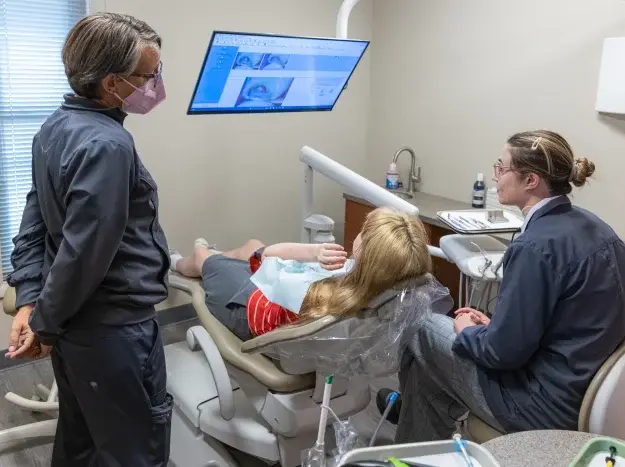
A Cavity Isn’t the End of the World. We Promise.
Discovering you have a cavity is a bummer, but it's nothing to worry about. Cavities are one of the most common dental concerns we treat, and a filling is one of the quickest, most straightforward procedures we offer. At W. Eric Martin, DDS, PC in Champaign, IL, our team works hard to make treatment as simple, convenient, and pleasant as possible. The sooner you come in, the easier it is and the better chance you have of avoiding something more complicated down the road.
Schedule a Filling Appointment
What is a Dental Filling and What Should You Expect?
A dental filling is used to restore a tooth that has been damaged by decay. Once the decayed portion of the tooth is removed, the filling material is used to seal the area, stopping the decay from spreading, restoring the tooth's structure, and protecting it from further damage.
At W. Eric Martin, DDS, PC, we use tooth-colored composite resin fillings that blend seamlessly with your natural smile. No dark metal. No obvious restorations. Just a natural-looking result that feels and functions like your original tooth.
The procedure is straightforward, typically completed in a single appointment, and far more comfortable than most patients expect.
Why We Use Tooth-Colored Composite Fillings
There are several types of filling materials available, but composite resin, the tooth-colored option, has become the preferred choice for most patients and providers. Here's why:
- Natural appearance — Composite resin is color-matched to your existing teeth, making the filling virtually invisible in your smile.
- Bonding strength — Composite bonds directly to the tooth structure, which can help support the remaining tooth and reduce the risk of cracking.
- Less removal of healthy tooth — Composite fillings often require the removal of less natural tooth structure than traditional amalgam fillings.
- Mercury-free — Unlike older silver amalgam fillings, composite resin contains no mercury or metals.
- Versatility — Composite can also be used to repair chipped, cracked, or worn teeth, making it a highly adaptable restorative material.
If you have older metal fillings that are worn, cracked, or simply bothering you cosmetically, we can discuss replacing them with a more modern, natural-looking alternative.
Your Filling Appointment, Step by Step
Examination & X-Rays
We confirm the location and extent of the cavity using a visual exam and digital X-rays, ensuring we have a complete picture before treatment begins.
Anesthetic
We apply a local anesthetic to numb the area around the tooth so you stay completely comfortable throughout the procedure. We take our time here. Your comfort matters.
Remove the Decay
Using precise dental instruments, we carefully remove all decayed tooth material, leaving behind only healthy tooth structure for the filling to bond to.
Clean & Prepare
The cavity is cleaned thoroughly to remove any remaining bacteria or debris, then prepared to ensure the filling material bonds securely.
Place the Filling
The tooth-colored composite material is applied in layers, carefully shaped to match the natural contours of your tooth and your bite.
Cure & Polish
A special curing light hardens the filling quickly. We then polish the surface smooth, check your bite, and make any final adjustments, leaving you with a restored tooth that looks and feels completely natural.
The Sooner You Treat a Cavity, the Better.
A cavity doesn't stay small forever. Left untreated, tooth decay continues to spread, eating deeper into the tooth structure, getting closer to the nerve, and increasing the risk of infection, significant pain, and the need for more extensive treatment like a root canal or crown.
The good news is that catching a cavity early means the treatment stays simple. A small cavity that's filled promptly requires far less time in the chair, far less cost, and far less disruption to your day than a tooth that's been left to deteriorate. Visiting us for a filling now is one of the best investments you can make in your long-term dental health.
At W. Eric Martin, DDS, PC, we see patients for fillings every day. It's one of the most routine procedures we perform and one of the most important. Don't put it off.
Get Your Tooth Back in Shape.
A cavity doesn't have to ruin your day or your smile. Call W. Eric Martin, DDS, PC in Champaign, IL to schedule a short, comfortable appointment and get the filling you need before a small problem becomes a bigger one. Our friendly team will take great care of you from start to finish.
Schedule a Filling Appointment
Frequently Asked Questions About Tooth Fillings
How do I know if I have a cavity?
Cavities don't always cause obvious symptoms in their early stages — which is one of the main reasons regular checkups are so important. When symptoms do appear, they may include tooth sensitivity to hot, cold, or sweet foods, a visible hole or dark spot on the tooth, or pain when biting. If you notice any of these, call us — don't wait for the next scheduled visit.
Does getting a filling hurt?
Most patients are pleasantly surprised by how comfortable the procedure is. We use a local anesthetic to completely numb the area before we begin, so you shouldn't feel any pain during the filling. Some mild soreness or sensitivity in the area afterward is normal and typically resolves within a day or two.
How long does a filling take?
Most fillings are completed in a single appointment lasting anywhere from 30 to 60 minutes, depending on the size and location of the cavity. It's one of the most efficient dental procedures we perform.
How long do fillings last?
Composite resin fillings typically last 7 to 10 years or more with proper care. The longevity of a filling depends on its size and location, your bite, and how well you maintain your oral hygiene routine. We check your existing fillings at every routine visit and will let you know if one needs attention.
Can I eat after getting a filling?
With composite resin fillings, you can eat almost immediately after the procedure — the material is hardened during your appointment with a curing light. We recommend avoiding very hard or sticky foods for the first 24 hours while any residual sensitivity settles. We'll give you specific guidance before you leave the office.
What happens if I don't treat a cavity?
Untreated cavities don't go away on their own — they grow. Over time, decay can reach the inner pulp of the tooth, causing infection, significant pain, and the need for more intensive treatment such as a root canal or, in severe cases, extraction. Treating a cavity early with a simple filling is always the better outcome.
Can old metal fillings be replaced?
Yes. If you have older silver amalgam fillings that are worn, cracked, leaking, or simply bothering you aesthetically, we can replace them with modern tooth-colored composite fillings. During your next visit, ask us about your existing restorations and we'll assess whether replacement makes sense for you.
Do fillings prevent future cavities?
A filling restores a tooth that already has decay — it doesn't make that tooth immune to future cavities. Good oral hygiene habits at home, a healthy diet, regular professional cleanings, and preventive treatments like dental sealants are the best ways to reduce your risk of new cavities going forward.
