403 West Windsor Road, Champaign, IL 61820.

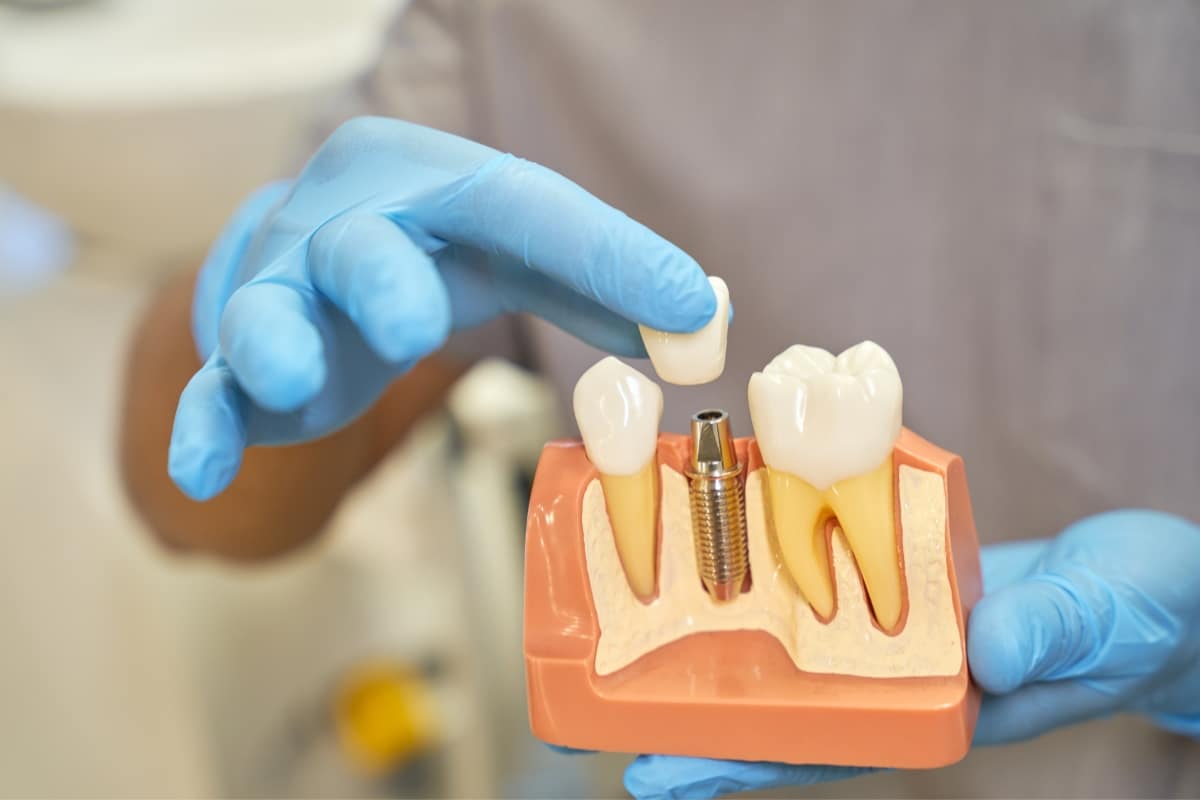
Replacing a missing tooth is about more than improving your smile. When a tooth is lost, simple things like enjoying your favorite meal, speaking clearly, or smiling confidently can become more difficult. Over time, the jawbone in that area may also begin to shrink because it no longer receives stimulation from a tooth root.
That’s one of the reasons dental implants have become such a popular tooth replacement option. They don’t simply fill the empty space—they replace the missing tooth from the root up. Even so, not everyone begins treatment the same way. Your oral health, lifestyle, and jawbone condition all help determine whether dental implants are the right solution for you.
Why Are Dental Implants Different?
Unlike a removable denture or a traditional bridge, a dental implant is anchored directly into the jawbone. The implant acts as an artificial tooth root, creating a stable base for a custom restoration that blends naturally with your smile. Many patients exploring dental implants in Champaign appreciate that implants feel secure, require no adhesives, and allow them to eat many of the foods they enjoy without worrying about slipping teeth.
Another important benefit is that implants encourage healthy bone function. Because the jaw continues to receive stimulation during chewing, it is less likely to experience the bone loss that often follows tooth loss.
What Makes Someone a Good Implant Candidate?
Every patient has a unique smile, so there’s no single checklist that applies to everyone. Instead, your dentist will look at several important areas before recommending treatment.
Your Mouth Should Be Free From Active Infection
Healthy gums create a stable environment for dental implants. If gum disease or an untreated dental infection is present, it should be addressed before implant surgery. Starting with healthy tissues gives your implant the best opportunity for long-term success.
A Healthy Body Supports Better Healing
Dental implant treatment depends on your body’s ability to heal after surgery. Certain medical conditions don’t automatically prevent treatment, but they may require extra planning. During your consultation, your dental team will review your health history and any medications you’re taking before recommending the next steps.
Jawbone Strength Matters
Since the implant becomes part of your jawbone, there must be enough healthy bone to support it. If you’ve been missing a tooth for several years, some bone loss may have already occurred. That’s why your dentist in Champaign will usually recommend digital imaging to measure the available bone before creating your treatment plan.
Daily Dental Care Makes a Difference
Dental implants are designed to last for many years, but their longevity depends on how well they’re cared for. Brushing thoroughly, cleaning between your teeth, and visiting your dentist for routine examinations all help keep the surrounding gums healthy and your implant functioning properly.
Lifestyle Habits Can Influence Success
Smoking and other tobacco use reduce blood circulation, slowing the body’s natural healing response. Patients who quit smoking—or significantly reduce their tobacco use—often experience smoother recovery and better long-term implant outcomes.
Age Is Rarely the Biggest Concern
Many people assume dental implants are only for younger adults, but that’s not the case. What’s more important than age is whether the jawbone has fully matured and whether your overall health allows for proper healing. Adults of many different ages successfully receive dental implants every year.
What Happens If There Isn’t Enough Bone?
Learning that you’ve lost jawbone can be disappointing, but it doesn’t necessarily mean implants are no longer possible. Modern dentistry offers several ways to prepare the mouth for successful implant treatment.
Rebuilding Bone With Grafting
Bone grafting replaces lost bone by adding natural or synthetic grafting material where it’s needed most. As healing takes place, the new bone strengthens the area and improves support for a future implant.
Creating Space in the Upper Jaw
For patients replacing upper back teeth, the sinus may sit too close to the jawbone. In these situations, a sinus lift gently creates additional room so bone can be added before implant placement.
Alternative Implant Options
Some patients may qualify for smaller implant designs that require less available bone. Depending on your needs, these options may provide excellent stability while avoiding more extensive procedures.
Personalized Treatment Planning
No two smiles are alike. Even if you’re not an immediate implant candidate, your dentist can recommend treatments that improve your oral health and prepare you for implants in the future.
Find Out If Dental Implants Are Right for You
The only reliable way to know whether you’re a candidate for dental implants is through a professional evaluation. A detailed examination allows your dentist to assess your gums, jawbone, medical history, and smile goals before recommending the most appropriate treatment.
If you’re thinking about restoring missing teeth with dental implants in Champaign, IL, the team at W. Eric Martin, DDS, PC is here to help you understand your options and develop a treatment plan designed around your individual needs. Schedule an appointment today to take the first step toward rebuilding a healthy, complete smile.
Frequently Asked Questions
Who is usually a good candidate for dental implants?
Most healthy adults with good oral hygiene and enough jawbone are potential candidates. A dental evaluation is the best way to confirm your eligibility.
Can dental implants work if I have missing teeth for a long time?
Yes. Although bone loss may occur over time, treatments such as bone grafting can often make implants possible.
Will my age prevent me from getting dental implants?
Not necessarily. Good overall health and healthy jawbone development are generally more important than your age.
How do dentists check if I have enough bone?
Your dentist will use digital X-rays or 3D imaging to examine the quality and quantity of your jawbone before treatment.
Can smokers receive dental implants?
They can, but smoking increases the chance of complications. Quitting or reducing tobacco use improves healing and treatment success.
How long do dental implants typically last?
With consistent home care and regular dental visits, implants can remain healthy and functional for many years.
Is the dental implant procedure uncomfortable?
The procedure is performed with local anesthesia, and most patients describe the recovery as manageable with mild discomfort.
What if I need bone grafting first?
Bone grafting is a common procedure that strengthens the jaw and may improve your chances of successful implant placement.
How do I keep dental implants healthy?
Brush and floss every day, attend regular dental checkups, and follow your dentist’s care instructions.
Where can I learn more about dental implants in Champaign, IL?
Scheduling a consultation with W. Eric Martin, DDS, PC allows you to receive a personalized evaluation and discuss the treatment options that best fit your smile.