403 West Windsor Road, Champaign, IL 61820.

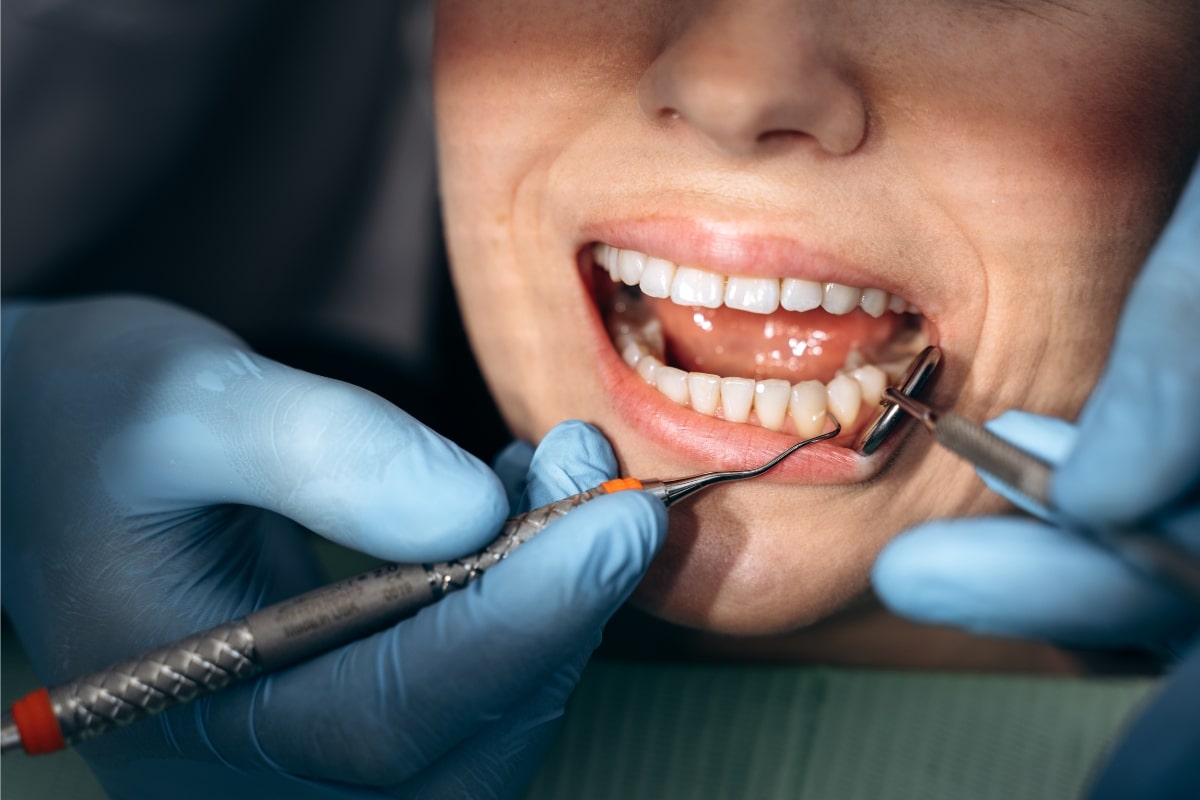
Gum problems do not always begin with intense pain. Sometimes, the first thing you notice is that your gums look puffier than usual when you brush your teeth. They may feel tender when you eat, bleed easily, or leave a strange taste in your mouth. Persistent bad breath can also be a sign that something is happening beneath the surface. These changes should not be ignored, especially when they continue for several days.
The mouth naturally contains many types of bacteria. Problems can develop when plaque remains around the teeth and along the gumline for too long. As bacteria multiply, the surrounding gum tissue can become irritated and inflamed. Without appropriate care, the inflammation may progress into periodontal disease or contribute to a localized dental infection.
Several everyday and health-related factors can make gum problems more likely. Inadequate brushing or flossing, tobacco use, dry mouth, stress, certain medications, and some medical conditions can affect the health of the gums. However, the presence of swollen or painful gums does not automatically mean that an antibiotic is the answer.
If your symptoms continue or become worse, a dentist in Champaign can examine your gums and teeth to find the source of the problem. The evaluation may include checking for inflammation, measuring the spaces between the gums and teeth, and looking for signs of an abscess or periodontal disease. Once the cause is identified, the dentist can determine whether cleaning, periodontal treatment, medication, or another procedure is appropriate.
Is an Antibiotic Always Necessary for a Gum Infection?
Antibiotics are not required for every gum problem. In fact, many cases of gum inflammation can be addressed by removing plaque and tartar and improving daily oral care. Gingivitis, for example, may improve when professional cleaning is combined with consistent brushing and cleaning between the teeth.
The need for an antibiotic depends on the nature of the infection. A dental professional may consider medication when there is a bacterial infection that has begun spreading or when other clinical signs indicate that antibiotics could be beneficial. They may also be used in certain situations involving a dental abscess or more serious infection.
Taking an antibiotic simply because your gums hurt is not a good approach. Different infections can require different treatments, and some gum conditions are not effectively treated with antibiotics alone.
What Antibiotics Can Be Prescribed for Gum Infections?
There is no single medication that works for every gum infection. If an antibiotic is appropriate, the choice is based on factors such as the suspected bacteria, severity of the infection, allergies, medical history, and other medications you may be taking.
Some antibiotics that may be used in dental care include:
Amoxicillin: This penicillin-type antibiotic is commonly used for certain bacterial dental infections when an antibiotic is indicated.
Metronidazole: This medication can be useful against particular anaerobic bacteria and may sometimes be used with another antibiotic depending on the infection.
Doxycycline: In some periodontal situations, doxycycline may be considered because of its antibacterial and anti-inflammatory properties.
Clindamycin: This medication has been used as an alternative for certain patients who cannot take penicillin-type drugs, although dentists carefully consider the potential risks and benefits before prescribing it.
The appropriate medication, dosage, and length of treatment should always come from a dental professional. Do not take antibiotics left over from an earlier illness or use medication prescribed for another person.
Why Antibiotics May Not Be Enough
It is easy to assume that an antibiotic will completely clear a gum infection. However, medication does not remove the hardened deposits that can collect around and beneath the gums.
When plaque hardens into tartar, it cannot be properly removed with a toothbrush alone. A dentist or dental hygienist may need to perform a professional cleaning. If periodontal disease has developed below the gumline, scaling and root planing may be recommended to clean those areas and smooth the affected tooth roots.
For an abscess, treatment may also involve draining the infected area or addressing the tooth responsible for the infection. Depending on the cause, root canal treatment, periodontal therapy, or another dental procedure may be necessary.
In other words, medication may play a supporting role, but treating the source of the infection is often an essential part of getting the problem under control.
Can You Soothe an Infected Gum at Home?
While waiting for dental care, a few simple measures may make your mouth feel more comfortable. Rinsing gently with warm salt water can help soothe irritated tissue. Continuing to brush carefully and clean between your teeth can also help prevent additional plaque from accumulating.
An antibacterial mouthwash may be useful for some people, depending on their dental needs. Drinking enough water and eating a nutritious diet can also support general health.
These measures are intended to provide temporary support. They should not be used to postpone a dental examination when swelling, pain, bleeding, or other concerning symptoms persist.
What Happens If a Gum Infection Is Ignored?
A gum infection can become more complicated when treatment is delayed. Ongoing inflammation may contribute to gum recession and damage to the tissues and bone that help keep teeth stable. Advanced periodontal disease can eventually result in loose teeth or tooth loss.
An untreated infection can also form an abscess. This may cause pronounced swelling, tenderness, drainage, or a bad taste in the mouth. In some cases, infection can spread into nearby tissues and create a more serious health concern.
Getting the problem evaluated early gives your dentist an opportunity to identify the cause before additional damage develops.
Signs That You Should See a Dentist
Not every change in your gums requires emergency care, but certain symptoms deserve professional attention. Consider scheduling a dental evaluation if you have:
- Gums that remain swollen or tender
- Bleeding that occurs regularly when brushing or flossing
- Pus around a tooth or beneath the gumline
- Ongoing bad breath despite good oral hygiene
- A persistent bad taste
- Pain when biting or chewing
- A tooth that feels loose
- Increasing redness or swelling around a particular tooth
Severe facial swelling, fever, difficulty swallowing, or trouble breathing requires prompt medical or emergency dental attention.
How Can Gum Infections Be Prevented?
Keeping plaque under control is one of the most important ways to protect your gums. Make brushing twice daily part of your routine, and clean between your teeth every day. Fluoride toothpaste can help protect the teeth while regular professional cleanings help remove deposits that cannot be eliminated at home.
It is also helpful to avoid tobacco products, limit frequent sugary snacks and drinks, and maintain routine dental examinations. If you have already experienced periodontal problems, your dentist may recommend a more specific maintenance schedule.
Small habits performed consistently can make a meaningful difference in keeping the gums healthy.
Final Thoughts
Gum swelling or pain should not be dismissed simply because the symptoms seem manageable. Finding the cause early can help protect the gums, teeth, and supporting structures from further damage. Schedule an appointment for a professional evaluation if you are experiencing signs of a gum infection.
Frequently Asked Questions
What is the best antibiotic for a gum infection?
There is not one antibiotic that is best for every gum infection. The appropriate medication depends on the type of infection, its severity, your health history, allergies, and whether the infection is spreading. A dentist should determine whether antibiotics are needed and which medication is suitable.
Will an antibiotic cure a gum infection by itself?
Not necessarily. Antibiotics can help control certain bacterial infections, but they do not remove plaque, tartar, or infected material from beneath the gums. Dental treatment may still be necessary to address the underlying cause.
Can swollen gums get better without antibiotics?
Some cases of gum inflammation can improve without antibiotics when the underlying cause is addressed through professional cleaning and improved oral hygiene. More serious infections may require additional treatment, which could include medication.
How quickly should a gum infection be treated?
It is best not to wait for symptoms to become severe. Persistent swelling, pain, bleeding, pus, or a bad taste should be evaluated by a dentist. Prompt treatment can help prevent the condition from progressing.
Can I use someone else’s antibiotics for my gum infection?
No. Antibiotics should only be taken when prescribed for your specific condition. Using the wrong medication or an incorrect dose may not treat the infection and can expose you to unnecessary side effects.
Does good brushing prevent gum infections?
Good brushing is an important part of prevention, but it is only one part of maintaining healthy gums. Cleaning between the teeth, receiving professional dental care, avoiding tobacco, and addressing gum problems early also contribute to better periodontal health.
Can a gum infection return after treatment?
Yes. Gum problems can recur when plaque continues to accumulate or when periodontal disease requires ongoing maintenance. Following your dental care plan and maintaining good oral hygiene can reduce the chance of future problems.