403 West Windsor Road, Champaign, IL 61820.

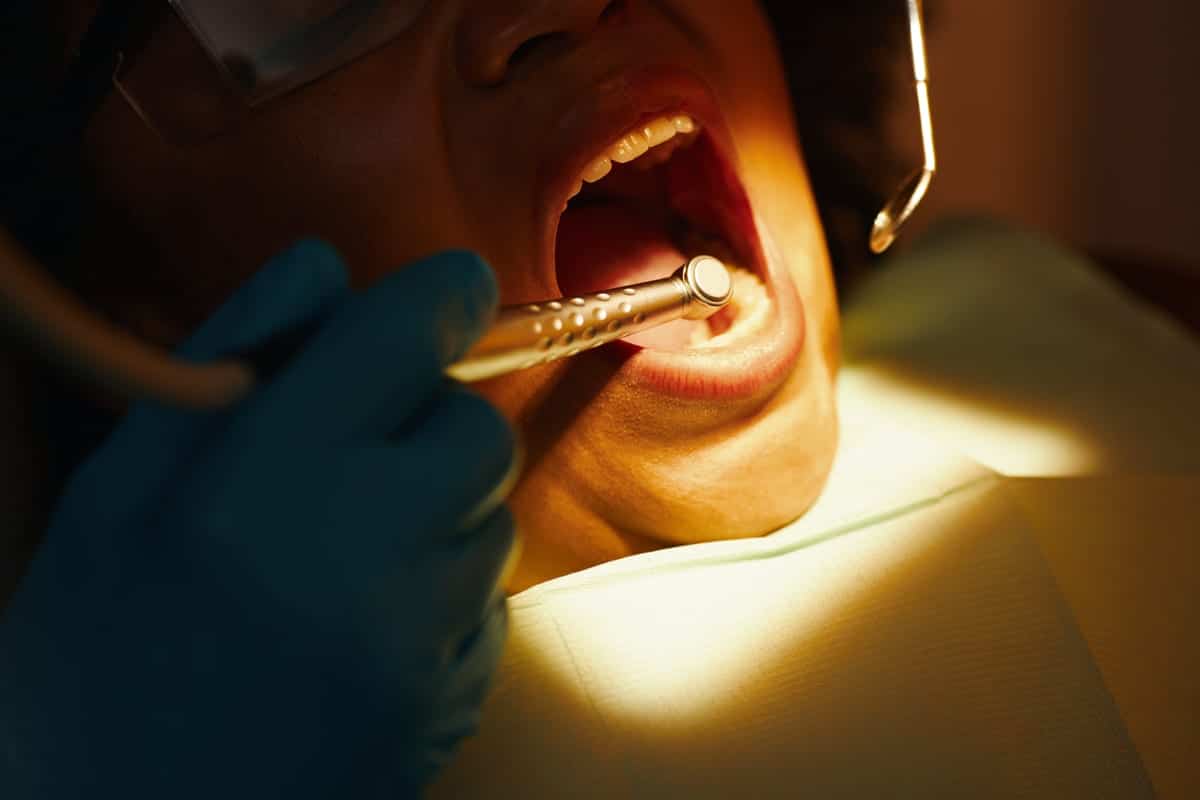
When a tooth is severely damaged or infected, you face a big decision. The debate over root canal vs. extraction — which saves your tooth and your wallet in Urbana — is one patients ask about every week. Both treatments have a place in modern dentistry. But understanding the differences can help you and your dentist make the right call for your long-term oral health.
At W. Eric Martin, DDS, PC in Champaign, IL, Dr. Martin helps patients across the Urbana area weigh their options carefully. This guide breaks down both procedures clearly and honestly.
What Happens During a Root Canal vs. an Extraction?
A root canal removes the infected pulp inside your tooth. The dentist cleans the inner canals, seals them, and typically places a crown on top. Your natural tooth stays in place, fully functional.
A tooth extraction simply removes the tooth entirely from the socket. It is a shorter procedure and often feels like the easier path. However, removing a tooth creates a gap that can cause long-term complications.
Here is a quick look at what each procedure involves:
- Root Canal: Local anesthesia, pulp removal, canal cleaning, sealing, and crown placement
- Extraction: Local anesthesia, loosening and removing the tooth, gauze placement, and healing time
- Root Canal Recovery: Mild soreness for a few days, normal function resumes quickly
- Extraction Recovery: One to two weeks of restricted diet and activity, risk of dry socket
Modern root canals are far less intimidating than their reputation suggests. Most patients report only minor discomfort during recovery.
Comparing Costs: Root Canal vs. Extraction in Urbana
Cost is often the first concern patients raise. An extraction typically has a lower upfront price tag. However, that is only part of the story.
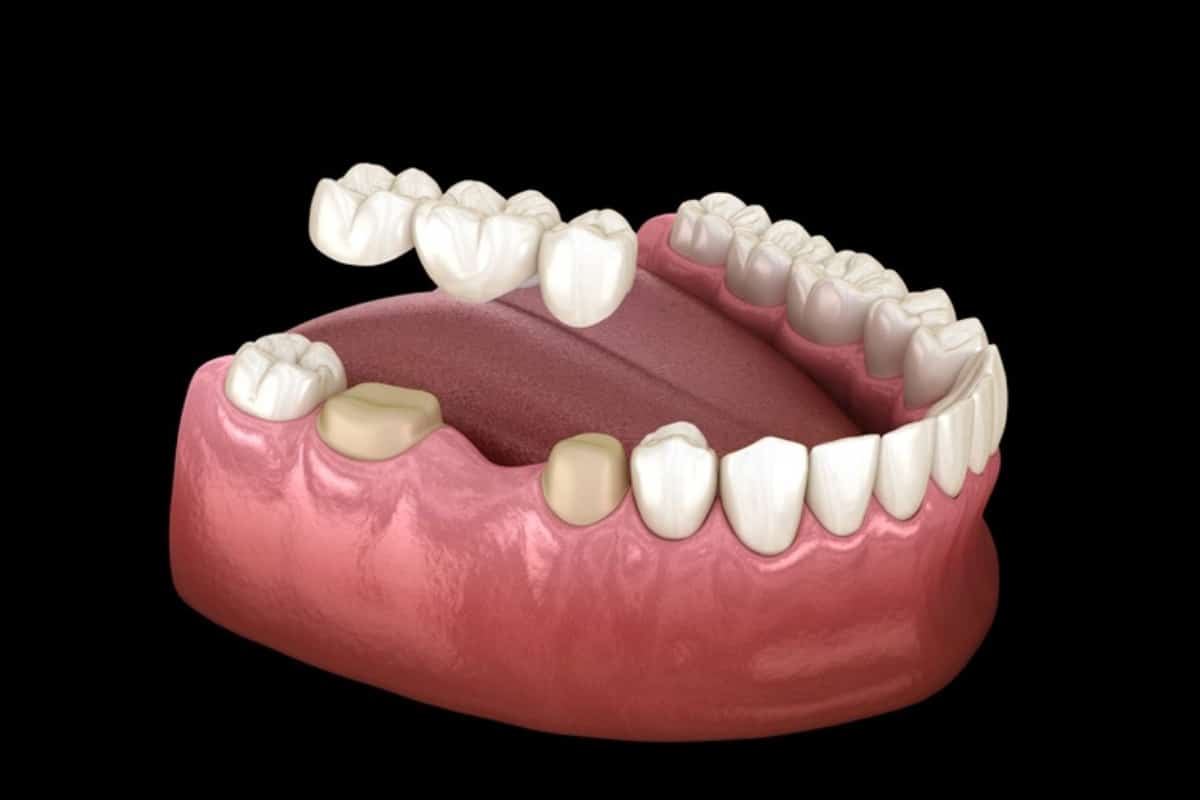
When you remove a tooth, you create a gap. Left untreated, that gap leads to bone loss and shifting teeth. Most dentists recommend replacing the missing tooth with an implant or bridge. Those replacement costs add up significantly over time.
Consider the real financial picture:
- Root canal plus crown — a one-time investment that preserves your natural tooth
- Extraction alone — lower upfront cost but leaves a gap that needs addressing
- Extraction plus Dental Implants Urbana — often more expensive than a root canal in total
- Extraction plus bridge — requires altering healthy adjacent teeth, adding complexity
When you look at the full cost of replacing a missing tooth, a root canal is frequently the more affordable long-term choice. It is worth discussing all options with Dr. Martin before deciding.
Long-Term Health Impact: Why Keeping Your Natural Tooth Matters
Your natural teeth are irreplaceable in many ways. They provide a strong biting surface and stimulate the jawbone with every chew. When a tooth is removed, that stimulation stops. Bone loss in the jaw can begin within months of an extraction.
Missing teeth also cause neighboring teeth to drift toward the gap. This shifting leads to bite problems, jaw pain, and uneven wear over time. These are all consequences that patients in Urbana may not anticipate when choosing extraction.
A successful root canal preserves the original tooth root in the jawbone. This maintains bone density and keeps your smile aligned. It also protects the function and appearance of adjacent teeth for years to come.
If restoring your smile’s appearance is also a priority, ask Dr. Martin about Cosmetic Dentistry Urbana options that can complement your restorative treatment beautifully.
When Is Extraction the Right Choice?
Root canals are not always the answer. There are real situations where extraction is the smarter, healthier decision. Dr. Martin evaluates every case individually and recommends extraction when necessary.
Extraction is typically recommended when:
- The tooth is cracked below the gumline and cannot be restored
- Bone loss around the tooth is too severe to support a crown
- The infection has spread extensively and the tooth cannot be saved
- Overcrowding requires removal to prepare for orthodontic treatment
- The patient’s overall health makes a complex root canal too risky
In these cases, extraction is the right call — not a shortcut. The goal is always your best long-term outcome. After removal, Dr. Martin will discuss replacement options that restore function and prevent bone loss.
How Dr. Martin Helps Urbana Patients Make the Right Decision
No two patients are the same, and no two teeth are the same. Dr. W. Eric Martin takes a thorough approach with every diagnosis. He uses digital X-rays and a complete clinical exam to assess the extent of damage or infection.
He then walks each patient through the realistic options, including costs, recovery expectations, and long-term implications. Education is central to every visit at his Champaign practice. Patients in the Urbana area leave informed and confident in their treatment decisions.
Dr. Martin also offers same-day dental crowns, which can streamline your root canal treatment into fewer visits. That means less time in the chair and faster restoration of your smile.
Making Your Decision: Key Takeaways
Choosing between a root canal and an extraction is not always simple. But having the right information makes the process far less stressful. Here are the core points to remember as you weigh your options:
- A root canal preserves your natural tooth and prevents bone loss
- Extraction has a lower upfront cost but often requires expensive replacement later
- Long-term, a root canal is frequently the more cost-effective choice
- Extraction is appropriate when the tooth truly cannot be saved
- Always replace a missing tooth to protect jawbone health and alignment
The right choice depends on the specific condition of your tooth, your overall oral health, and your long-term goals. Dr. Martin is here to guide you through that conversation with clarity and care. Book Now to schedule your appointment with our team.
Frequently Asked Questions
Is a root canal more painful than a tooth extraction?
Most patients report similar discomfort levels during both procedures under local anesthesia. Modern root canal techniques have improved significantly. Most people experience only mild soreness for a day or two afterward, similar to extraction recovery.
Can I wait and see if an infected tooth gets better on its own?
Dental infections do not resolve without treatment. Waiting typically allows the infection to spread deeper into the bone or surrounding teeth. Prompt evaluation by Dr. Martin helps you avoid more serious and costly complications down the road.
How long does a root canal last compared to an extraction and implant?
A properly treated and crowned tooth can last a lifetime with good oral hygiene. Dental implants also have excellent long-term success rates. However, the total time and cost invested in an extraction and implant often exceeds the simpler root canal route.
Will I need a crown after a root canal?
In most cases, yes. A crown protects the treated tooth from fracture and restores its full function. Dr. Martin offers same-day dental crowns, which means you may complete the entire process in just one or two visits.
What happens if I do not replace a tooth after extraction?
Leaving the gap unfilled leads to shifting of adjacent teeth, jawbone loss, and changes in your bite. These issues can escalate into more complex dental problems over time. Replacing the tooth promptly — through an implant or bridge — is always the recommended approach.