403 West Windsor Road, Champaign, IL 61820.

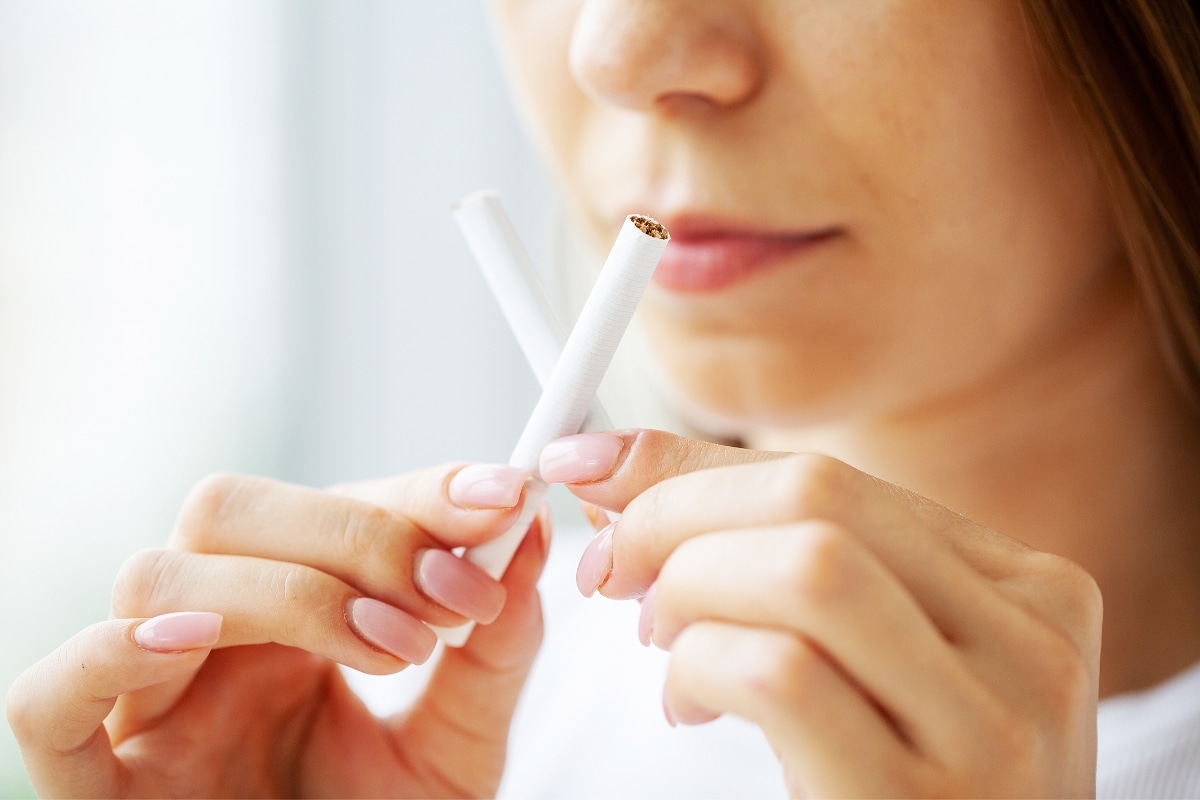
Getting a dental implant can be an exciting step toward restoring your smile and making everyday activities like eating and speaking more comfortable. But once the procedure is over, your focus should shift to healing. If you smoke, you may be wondering how long you need to wait before lighting up again.
The short answer is that it is best to avoid smoking for as long as possible after implant surgery. Although the temptation to return to your usual routine may be strong, your mouth needs time to recover. Smoking too soon can interfere with the healing tissues and make it harder for the implant to become firmly established.
Why Does Healing Matter After Implant Surgery?
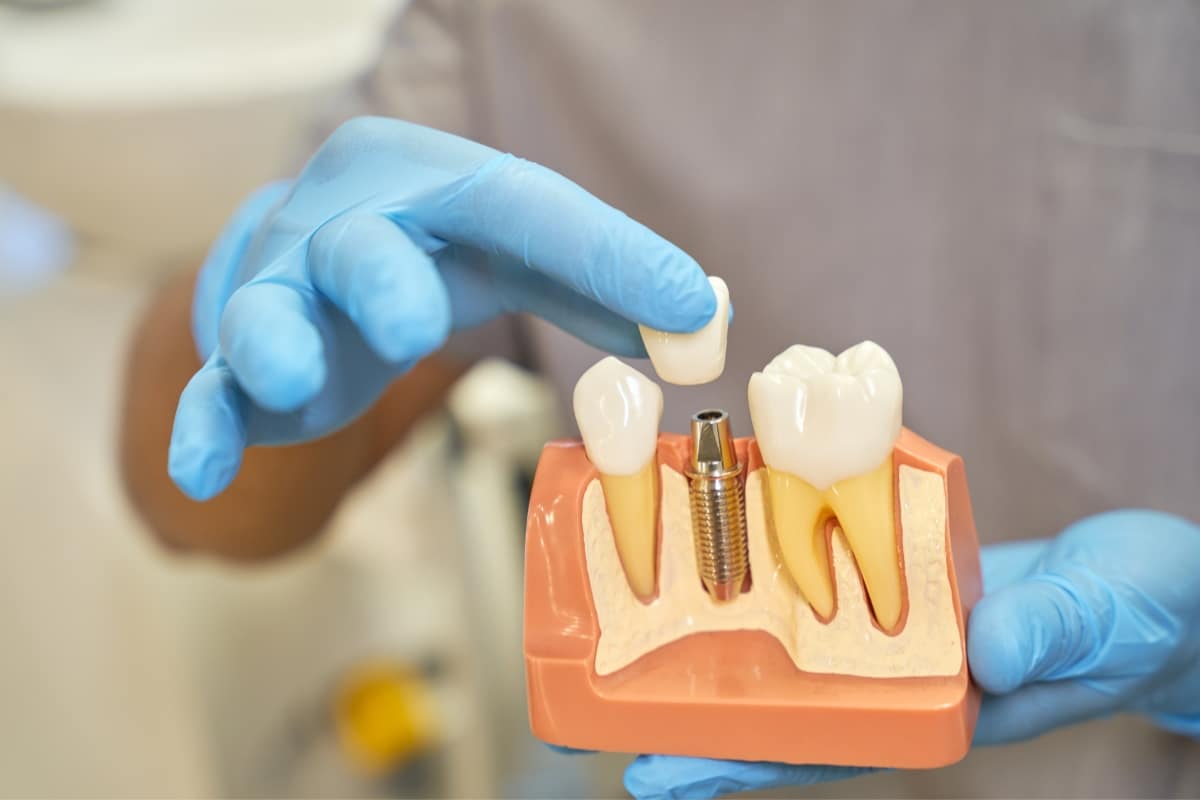
A dental implant does more than simply replace the visible portion of a missing tooth. The implant post is placed into the jawbone, where it needs to gradually integrate with the surrounding bone. This process, known as osseointegration, is essential for creating a stable foundation for the final restoration.
Patients who choose dental implants Champaign providers place carefully understand that successful treatment doesn’t end when the implant is inserted. The weeks and months afterward are equally important. Your body needs healthy blood flow, oxygen, and supportive oral conditions to repair the surgical site and allow the implant to bond with the jawbone.
What Does Smoking Do During Recovery?
Smoking introduces nicotine, carbon monoxide, and other substances into the mouth and body. Nicotine can narrow blood vessels, reducing the circulation needed to deliver oxygen and nutrients to healing tissues. Tobacco smoke can also irritate the surgical area and contribute to an environment where harmful bacteria can thrive.
If you are receiving implant treatment, a dentist in Champaign may recommend avoiding tobacco before and after surgery because smoking can make recovery more challenging. Reduced blood flow and slower tissue repair may increase the possibility of inflammation, infection, bone loss, or problems with the implant integrating with the jaw.
How Soon Can You Smoke After Dental Implants?
There isn’t one exact timeline that applies to every patient. However, avoiding cigarettes for at least the first 72 hours is commonly recommended because the surgical site is particularly vulnerable during the initial stage of healing. The longer you can stay away from cigarettes, the more support you give your mouth during recovery.
For some patients, avoiding smoking for several weeks or even throughout the implant healing period may be recommended. Osseointegration can take several months, depending on factors such as bone quality, the location of the implant, overall health, and the type of procedure performed.
Your dental provider can give you a timeline based on how your implant is healing. Following those instructions is more important than relying on a general number of days found online.
Is Vaping Okay After Implant Surgery?
Switching from cigarettes to vaping does not necessarily eliminate concerns during implant recovery. Many vaping products contain nicotine, which can affect blood vessels and circulation. Vaping can also expose the mouth to substances that may irritate healing tissues.
For this reason, it is better not to assume that vaping is a safe substitute while your implant is healing. Ask your dental provider before using any nicotine product following surgery.
What About Nicotine Gum or Patches?
If avoiding nicotine is difficult, talk with your dental provider about available options. Nicotine replacement products, such as patches or lozenges, may be considered in some situations. However, you should not automatically assume that every nicotine product is appropriate after oral surgery.
Products that are placed directly in the mouth may come into contact with sensitive tissues, so professional guidance is especially important during the early healing period.
Tips for a Smoother Implant Recovery
Keeping your mouth in good condition can help support healing. During the recovery period:
- Follow your provider’s instructions carefully.
- Keep the implant area clean without disturbing the surgical site.
- Drink enough water to avoid dry mouth.
- Choose foods that are comfortable to chew while the area heals.
- Avoid putting unnecessary pressure on the implant site.
- Keep scheduled follow-up visits.
- Avoid smoking and other tobacco products for as long as your dental provider recommends.
If you notice increasing pain, swelling, bleeding, a bad taste, drainage, fever, or anything else that seems unusual, contact your dental office rather than waiting for the symptoms to disappear.
Give Your Implant Time to Heal
Dental implants are intended to provide a durable solution for missing teeth, but the healing period plays an important role in achieving that result. Avoiding cigarettes and other tobacco products gives your body a better environment to repair the tissues and support the implant as it integrates with the jawbone.
If quitting completely feels overwhelming, discuss your options with your dental provider rather than trying to manage the situation on your own. Even temporary changes to your smoking habits can be an important part of protecting your investment in your smile.
Schedule an appointment with your dental provider to discuss dental implant recovery and get personalized guidance about when it is safe to resume smoking.
Frequently Asked Questions
Can I smoke immediately after getting a dental implant?
No. Smoking immediately after implant surgery can interfere with early healing and expose the surgical area to irritating chemicals. It is best to avoid smoking for at least the first 72 hours and follow the specific instructions provided by your dental provider.
How long should I ideally avoid smoking after an implant?
The longer you avoid smoking, the better. Some dental professionals recommend remaining tobacco-free throughout the implant healing period, which can last several weeks to a few months. Your individual recovery will determine the appropriate timeline.
Can one cigarette affect my dental implant?
Even occasional smoking can expose healing tissues to nicotine and other substances that may interfere with circulation and recovery. Because the early healing period is especially important, avoiding even occasional cigarettes is the safer approach.
Is vaping better than smoking after dental implants?
Vaping should not be considered a risk-free option during implant recovery, particularly when the product contains nicotine. Talk with your dental provider before vaping or using other nicotine products after surgery.
Can smoking make a dental implant fail?
Smoking is associated with a greater risk of complications involving implant healing and the tissues around an implant. Poor healing, infection, and bone-related problems can affect implant stability and may contribute to implant failure.
Can smokers get dental implants?
Smoking does not automatically mean that a person cannot receive dental implants. However, tobacco use can affect healing and may increase certain risks. Your dental provider can evaluate your oral health, smoking habits, bone condition, and other factors before recommending treatment.
What should I do if I accidentally smoke after implant surgery?
Don’t panic, but avoid continuing to smoke and contact your dental office if you are concerned. Your provider can tell you whether any additional precautions are needed based on when the smoking occurred and how your surgical site is healing.