403 West Windsor Road, Champaign, IL 61820.

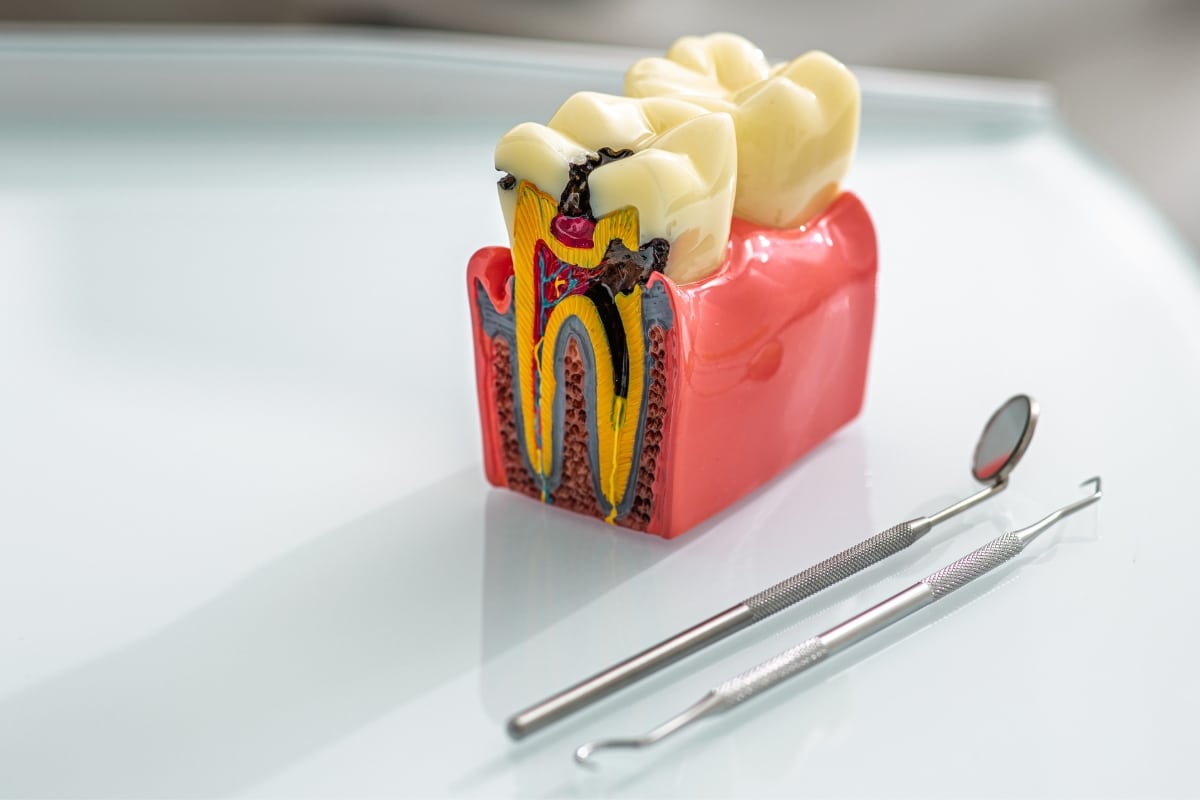
No one gets excited about hearing they need a root canal. For many people, the words alone bring up images of discomfort and long dental appointments. The truth is much different. Thanks to modern dental techniques, root canal treatment is a comfortable and effective procedure that removes infection, relieves pain, and helps save your natural tooth.
If your dentist has recommended a root canal, understanding the process can make the experience feel much less intimidating. Knowing why the treatment is necessary, what happens during the procedure, and how to care for your tooth afterward can help you feel more prepared every step of the way.
Why Root Canal Therapy Matters
Inside every tooth is a soft layer called the pulp. This tissue contains nerves and blood vessels that help the tooth develop. When bacteria enter the pulp through a deep cavity, a crack, or an injury, it can become infected. Left untreated, the infection may spread beyond the tooth, leading to severe pain, swelling, and even tooth loss.
Choosing root canal therapy Champaign allows you to stop the infection before it worsens while preserving your natural tooth. Saving the tooth is almost always the better option because it helps you chew comfortably, keeps nearby teeth from shifting, and supports the long-term health of your smile.
Signs You May Need a Root Canal
Dental infections rarely disappear on their own. Paying attention to early warning signs can help you receive treatment before the damage becomes more serious.
Tooth Pain That Doesn’t Go Away
An aching or throbbing tooth that lingers throughout the day or hurts when you bite down could be a sign that the pulp inside the tooth has become infected.
Sensitivity That Lasts
It’s normal to feel brief sensitivity when enjoying something hot or cold. However, if the discomfort continues long after you’ve finished eating or drinking, it may indicate damage inside the tooth.
Swollen or Tender Gums
Inflamed gums around a single tooth, especially if you notice a small bump or drainage, can signal an infection that requires prompt attention.
A Tooth That Changes Color
A tooth that gradually turns gray or appears darker than the surrounding teeth may have an unhealthy or damaged pulp.
Pain When Chewing
If even light pressure causes discomfort while eating, the infection may have reached the tooth’s inner tissues.
What Happens During Root Canal Therapy?
Many patients are surprised by how straightforward the procedure actually is. Every step is focused on removing infection while keeping you as comfortable as possible.
The Tooth Is Numbed First
Before treatment begins, your Champaign dentist will carefully examine the tooth and review digital X-rays. A local anesthetic is then used to completely numb the area, so you shouldn’t feel pain during the procedure.
A Small Opening Is Made
Once the tooth is numb, your dentist creates a tiny opening in the top of the tooth. This allows access to the infected pulp and root canals.
The Infection Is Removed
Using precise instruments, the damaged pulp is gently removed from inside the tooth. This eliminates the bacteria that are causing your pain and prevents the infection from spreading further.
The Canals Are Carefully Cleaned
After the infected tissue has been removed, each canal is thoroughly cleaned, disinfected, and shaped. This step helps ensure no harmful bacteria remain inside the tooth.
The Tooth Is Filled
Once everything is clean, the canals are filled with a special material that seals the inside of the tooth and protects it from future infection.
The Tooth Is Restored
The opening is closed with a filling, and depending on the condition of your tooth, your dentist may recommend a custom crown. A crown strengthens the tooth and allows you to bite and chew normally again.
What to Expect After Your Root Canal
Recovery is usually easier than most patients expect. While everyone heals differently, most people return to their regular routine within a day.
Mild Tenderness Is Normal
It’s common to notice slight soreness around the treated tooth for a few days. This usually improves with over-the-counter pain medication and gradually disappears.
Your Tooth May Feel Different
You may notice some sensitivity when chewing for a short time while the surrounding tissues heal. This is a normal part of the recovery process.
Choose Softer Foods
Until your permanent restoration is placed, it’s best to avoid chewing hard, crunchy, or sticky foods on the treated tooth. Softer meals help protect the tooth while it heals.
Don’t Skip Your Follow-Up Visit
If a crown has been recommended, be sure to return for your follow-up appointment. Completing the restoration helps protect the tooth from fractures and improves its long-term success.
A Healthier Smile Starts with Timely Treatment
Although root canals often have an unfair reputation, the procedure is actually designed to relieve pain—not create it. Treating an infected tooth early can prevent more extensive dental problems while allowing you to keep your natural smile.
If you’ve been dealing with persistent tooth pain, lingering sensitivity, or swollen gums, don’t wait for the problem to become more serious. At W. Eric Martin, DDS, PC, we’re committed to making every visit as comfortable and stress-free as possible while helping you restore your oral health. Schedule an appointment today and let our team help you protect your smile with personalized, compassionate care.
Frequently Asked Questions
How can I tell if I need a root canal?
Persistent tooth pain, prolonged sensitivity to hot or cold, swollen gums, tooth discoloration, or discomfort while chewing are all common signs. A dental exam and X-rays are needed to confirm whether root canal treatment is necessary.
Is getting a root canal painful?
Modern root canal treatment is performed using local anesthesia, making the procedure comfortable for most patients. In many cases, it’s no more uncomfortable than getting a dental filling.
How long does a root canal appointment usually take?
Most treatments take between 60 and 90 minutes, depending on the location of the tooth and the extent of the infection.
Will I always need a dental crown afterward?
Many back teeth require a crown because they handle more chewing pressure. Your dentist will determine whether a crown is the best option for protecting your treated tooth.
How soon can I eat after a root canal?
It’s generally best to wait until the numbness wears off before eating. Soft foods are recommended for the first day or two, especially if a permanent crown has not yet been placed.
Can a tooth become infected again after a root canal?
While root canal treatment has a very high success rate, reinfection is possible if the tooth isn’t properly restored or if a new cavity develops. Maintaining good oral hygiene and regular dental visits helps reduce this risk.
What happens if I avoid root canal treatment?
Delaying treatment allows the infection to spread, which can lead to severe pain, swelling, damage to the surrounding bone, and eventually tooth loss.
How can I reduce my chances of needing a root canal in the future?
Brushing twice daily, flossing every day, scheduling regular dental checkups, treating cavities early, and protecting your teeth from injury are the best ways to lower your risk of future infections.
