403 West Windsor Road, Champaign, IL 61820.


Your Implant Can Still Be Saved
A failing dental implant doesn't have to mean the end of the road. Peri-implantitis, the bacterial infection that threatens the bone and tissue surrounding a dental implant, is a serious condition, but it is treatable. At W. Eric Martin, DDS, PC in Champaign, IL, we offer the LAPIP protocol, a highly effective and minimally invasive laser treatment designed specifically to address peri-implantitis, halt the progression of bone loss, and encourage the natural regeneration of healthy tissue around your implant. With a 95% consistent and predictable success rate, LAPIP gives failing implants a genuine second chance.
Schedule a Consultation
The LAPIP Protocol: Highly Effective & Minimally Invasive
Improved Implant Health
Developing an infection in the vicinity of a dental implant can result in tissue deterioration and compromise the stability of the implant-supported restoration. Opting for LAPIP treatment can facilitate the restoration of lost tissue, ensuring a stronger foundation and a more vibrant, healthier smile.
Greater Comfort
When contrasted with conventional approaches to address peri-implantitis using scalpels, LAPIP offers a more comfortable experience, both during the procedure and during the healing process. This state-of-the-art laser technique can rejuvenate implant health without the need for incisions or sutures.
Quick, Effective Treatment
LAPIP treatment usually takes only one quick appointment, with minimal recovery time. On the other hand, conventional peri-implantitis can require surgery, possible bone grafting, and, in some cases, implant removal.
What the LAPIP Protocol Does
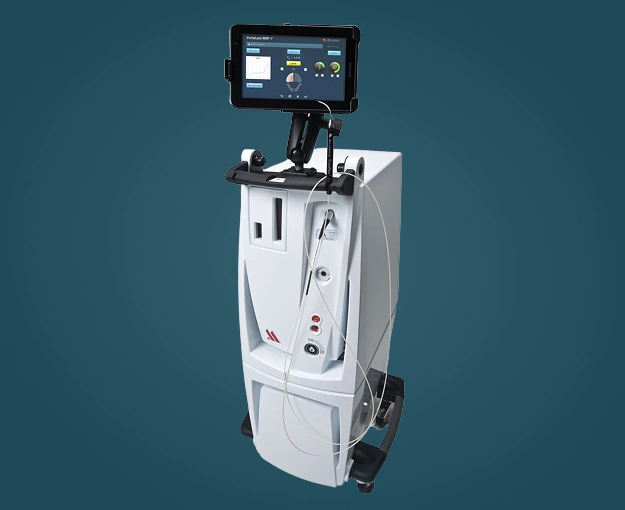
The LAPIP protocol uses the PerioLase® MVP-7™ laser to:
- Remove only diseased and infected tissue without harming any healthy tissue
- Eliminate the bacteria causing peri-implantitis
- Help maintain the height of the tissue around the implant
- Minimize pain and discomfort throughout treatment
- Close the pocket around the implant securely to allow healing to take place
What This Means for You
- Protect implant investment
- No cutting
- No bone grafting
- No sutures
- Less bleeding
- Less swelling
- Less pain
- Faster healing
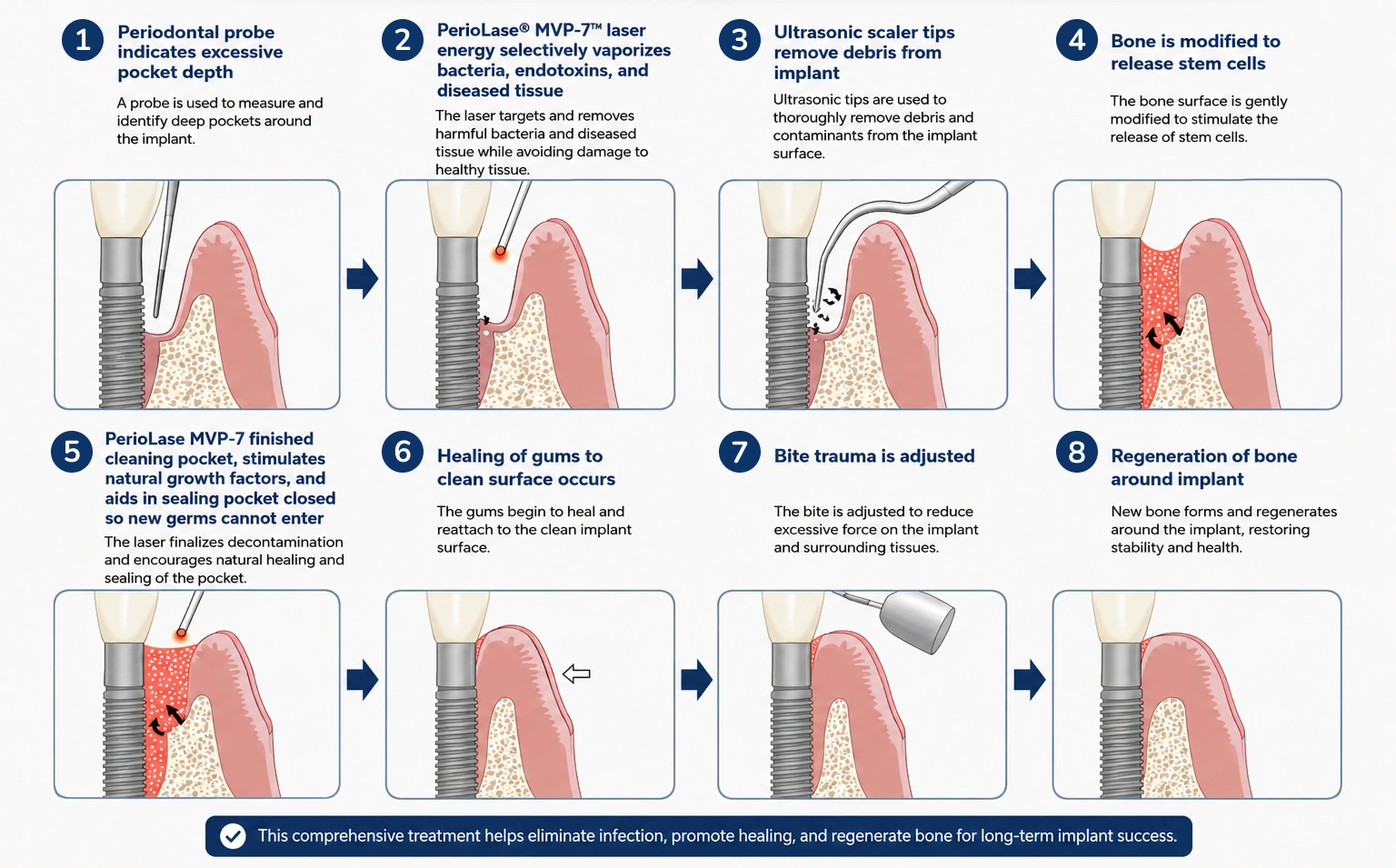
How the LAPIP Treatment Procedure Works
The LAPIP treatment process is precise, methodical, and designed to maximize results while minimizing discomfort and disruption. Here's what happens during treatment:
LAPIP Can Help Protect Your Implant Investment
Dental implants represent a significant investment in your smile, your oral health, and your quality of life. Peri-implantitis puts that investment at risk. Left untreated, the infection will continue to progress, destroying the bone around the implant until the implant itself becomes loose and fails. LAPIP is one of the most effective tools available to stop that progression and reverse the damage before it's too late.
LAPIP can help you:
- Stop the progression of peri-implantitis disease
- Destroy the bacteria causing infection around the implant
- Save healthy gum tissue surrounding the implant
- Encourage new bone growth for greater implant stability
Understanding Peri-Implantitis
Peri-implantitis is an inflammatory reaction, specifically an infection, that causes the loss of bone around a dental implant. When the bone no longer supports the implant, the implant becomes loose and will eventually need to be removed. Early detection and treatment are critical to saving the implant and preserving your oral health.
What is peri-implantitis?
Peri-implantitis is an infection occurring around a dental implant. Gums may be red, inflamed, or receding. This infection causes bone loss and the destruction of the implant fixture itself.
What is the difference between peri-mucositis and peri-implantitis?
Both are infections around the implant. Peri-mucositis is the early stage of the disease and does not yet involve bone loss, making it easier to treat and reverse. Peri-implantitis is the progression of that infection to the bone level, and is the condition LAPIP is specifically designed to treat.
What happens if peri-implantitis goes untreated?
If the infection around the implant is left untreated, it will continue to progress and destroy the bone. The implant will become loose and may fall out or need to be removed. The tissue around the implant will also be affected. Early treatment is always the better outcome.
What causes peri-implantitis?
Just as there are many causes of gum disease, there are many causes of peri-implant infections — including poor oral care and excess bacteria. Risk factors include pre-existing conditions such as diabetes and a compromised immune system. Smokers and patients with an initial diagnosis of gum disease are at higher risk of implant loss.
Periola se® MVP-7™, Built for Your Health
The PerioLase® MVP-7™ is the only dental laser specifically designed to target the bacteria and diseased tissue that cause gum disease and peri-implantitis around dental implants. Its unique wavelength specifically targets the pathogens that cause gum disease and peri-implantitis while leaving healthy tissue completely unharmed — making it uniquely effective for this type of treatment.
- Most patients need just one appointment
- Less pain and more comfort compared to other surgical options
- Kills bacteria without harming healthy tissue
- Minimizes gum recession for a healthier appearance
- 100% natural — no foreign materials or growth factors used
- Safe for medically compromised patients, those on blood thinners, or those with diabetes
Don't Give Up on Your Implant
If you've been told your implant is failing — or if you're experiencing pain, swelling, or sensitivity around an existing implant — don't wait. The sooner peri-implantitis is treated, the better the chance of saving your implant and protecting the bone around it. Call W. Eric Martin, DDS, PC in Champaign, IL, to schedule a consultation and find out if LAPIP is the right solution for you. Your implant investment is worth fighting for.
Schedule a Consultation
Frequently Asked Questions About LAPIP
What is LAPIP?
LAPIP stands for Laser-Assisted Peri-Implantitis Procedure. It is a specialized laser protocol that uses the PerioLase® MVP-7™ to treat peri-implantitis — the bacterial infection responsible for bone loss around dental implants. It is highly effective, minimally invasive, and does not require incisions or sutures in most cases.
How do I know if I have peri-implantitis?
Common signs include redness, swelling, or bleeding around an implant, pain or sensitivity near the implant site, gum recession around the implant, or a feeling that the implant is loose. However, peri-implantitis can also develop with few noticeable symptoms, which is why routine checkups are important for all implant patients. If you have any concerns about an existing implant, call us for an assessment.
Is LAPIP painful?
Most patients find LAPIP significantly more comfortable than conventional peri-implantitis surgery. Because no incisions or sutures are required in most cases, there is far less post-operative discomfort. Dr. Martin will ensure you are comfortable throughout the procedure, and recovery is typically mild and brief.
How many LAPIP appointments will I need?
Most patients require just one or two appointments to complete LAPIP treatment, depending on the severity of the infection and the number of implants being treated. This is one of the significant advantages of the protocol over conventional surgical approaches.
What is the success rate of LAPIP?
The LAPIP protocol achieves a 95% consistent and predictable success rate for failing implants treated with the protocol — with the majority of treated implants achieving greater stability and reintegration.
Can LAPIP save any failing implant?
LAPIP is highly effective, but not every failing implant is a candidate. The extent of bone loss, the health of the surrounding tissue, and other individual factors all influence whether LAPIP is the right approach. Dr. Martin will thoroughly assess your implant during your consultation and give you an honest evaluation of your options.
Is LAPIP safe for patients with medical conditions?
Yes — one of the notable advantages of LAPIP is that it is safe for medically compromised patients, including those on blood thinners and those with diabetes, who may not be good candidates for conventional surgical approaches. As always, Dr. Martin will review your full medical history before recommending any treatment.
What happens after LAPIP treatment?
Following LAPIP, your body begins the natural process of healing and bone regeneration around the implant. Dr. Martin will provide specific aftercare instructions and schedule follow-up visits to monitor your healing and ensure the treatment is achieving the desired results.
