403 West Windsor Road, Champaign, IL 61820.

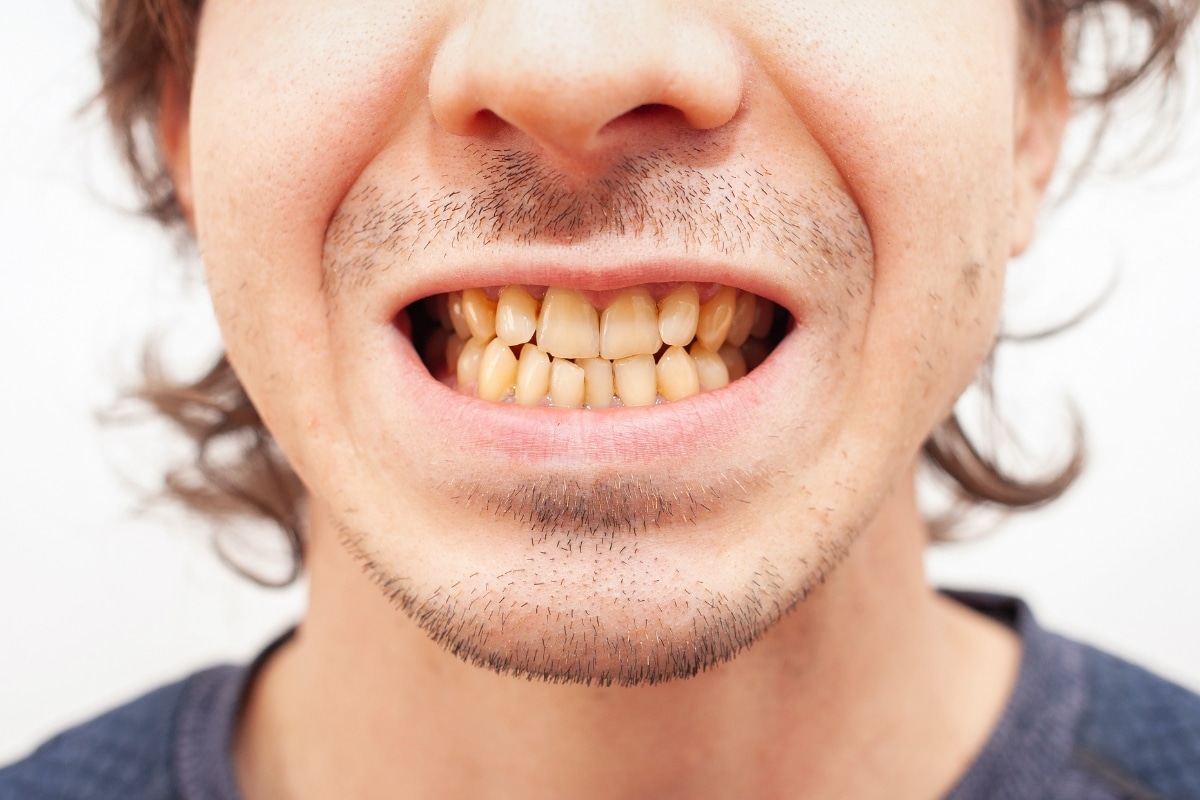
Noticing a yellow tint on your teeth can be frustrating, especially when you brush regularly and take care of your smile. You might start wondering whether something in your diet or overall health is affecting your tooth color. One question that comes up is whether low iron and yellow teeth have a direct connection.
Iron plays an important role in carrying oxygen throughout your body and supporting healthy tissues. When your iron levels drop, you may notice changes in your energy, skin, and oral health. However, yellow teeth are not a typical or direct sign of iron deficiency.
Understanding the difference can help you avoid unnecessary worry and find the right solution. If you live in Illinois area, and have concerns about tooth discoloration, understanding its possible causes is a useful first step. Whether you are considering cosmetic dentistry in Champaign or simply want to maintain a healthy smile, knowing what affects tooth color can help you make informed decisions.
Can Low Iron Cause Yellow Teeth?
Low iron does not typically cause teeth to turn yellow. Iron deficiency affects the body’s ability to produce healthy hemoglobin, which carries oxygen in red blood cells. It can also affect the tissues inside your mouth, but it does not directly change the natural color of healthy tooth enamel.
However, iron deficiency and oral health can be connected in other ways. People with low iron may experience changes in their tongue, gums, and the soft tissues inside their mouths.
Some possible oral symptoms include:
- A pale appearance inside the mouth.
- A smooth, sore, or unusually sensitive tongue.
- Cracks at the corners of the lips.
- Mouth soreness or burning sensations.
- Recurrent mouth ulcers in some individuals.
These symptoms do not confirm iron deficiency on their own. A healthcare professional may recommend blood tests, including a complete blood count (CBC) and ferritin testing, to evaluate iron levels.
What Actually Causes Yellow Teeth?
If low iron is unlikely to explain yellow teeth, what might be responsible? Tooth discoloration can develop for several reasons, including natural changes, everyday habits, and certain dental conditions.
Natural Enamel Changes
Your teeth have an outer protective layer called enamel. Beneath it lies dentin, which naturally has a yellowish color.
As you age, enamel gradually becomes thinner through normal wear. This allows more of the underlying dentin to show through, making teeth appear yellow.
Food and Drink Stains
Some everyday foods and beverages contain pigments that gradually stain tooth surfaces.
Common examples include:
- Coffee and black tea
- Red wine
- Dark-colored berries
- Tomato-based sauces
- Cola and other dark soft drinks
Frequent exposure can cause surface discoloration, particularly when oral hygiene habits do not adequately remove plaque and staining particles.
Tobacco Use
Smoking cigarettes or using other tobacco products can leave stubborn yellow or brown stains on teeth. Tobacco also increases the risk of gum disease and other oral health problems.
Plaque and Tartar Buildup
Plaque is a sticky film of bacteria that forms on teeth throughout the day. Without regular brushing and flossing, it can harden into tartar.
Tartar may appear yellow or brown, especially near the gumline. Unlike ordinary plaque, hardened tartar requires professional dental cleaning.
Certain Medications and Dental Conditions
Some medications can affect tooth appearance. Certain antibiotics, particularly tetracycline taken during tooth development, can cause intrinsic discoloration.
Other possible causes include dental trauma, excessive fluoride exposure during tooth development, and changes in the tooth’s internal structure.
How Can Iron Deficiency Affect Your Oral Health?
Although nutritional deficiencies affecting teeth do not all produce visible discoloration, they can influence the condition of your mouth.
Iron supports oxygen delivery to tissues throughout the body. When iron levels become too low, oral tissues may also show changes.
Changes in the Tongue and Mouth
Iron deficiency can contribute to glossitis, a condition that causes the tongue to become smooth, swollen, or sore. Some people also experience burning sensations when eating or drinking.
Cracks Around the Lips
Angular cheilitis causes painful cracks or inflammation at the corners of the mouth. Iron deficiency can contribute to this condition, although fungal infections and other nutritional deficiencies may also play a role.
Greater Oral Discomfort
A person with iron deficiency may experience mouth tenderness or recurring soreness. These symptoms can make eating and maintaining regular oral hygiene less comfortable.
It is important to remember that these changes are not specific to low iron. A proper medical evaluation helps identify the underlying reason.
Can Iron Supplements Change Tooth Color?
Iron supplements help restore iron levels when a healthcare professional identifies a deficiency. However, certain liquid iron preparations can cause temporary dark staining on tooth surfaces.
This is different from the natural yellow discoloration associated with enamel thinning or dentin showing through.
If you take liquid iron:
- Follow the instructions provided with your medication.
- Ask your pharmacist whether you can use a straw to reduce contact with your teeth.
- Rinse your mouth with water afterward if your healthcare provider recommends it.
- Maintain regular brushing and flossing.
- Do not stop prescribed iron supplements because of tooth staining without speaking to your healthcare professional.
If you notice persistent discoloration, a dental examination can help determine whether the marks are external stains or something else.
How Can You Manage Yellow Teeth?
The right approach depends on what causes the discoloration. A dental examination can help distinguish surface stains from changes within the tooth.
Maintain Consistent Oral Hygiene
Brush twice daily with fluoride toothpaste and clean between your teeth once a day. These habits help control plaque and reduce surface staining.
Schedule Professional Dental Cleanings
Routine cleanings remove hardened tartar and certain external stains that regular brushing cannot eliminate.
Consider Professional Teeth Whitening
If your teeth have stains caused by coffee, tea, or aging, professional whitening may improve their appearance. Your dental provider can assess whether whitening is appropriate based on your enamel, gums, and existing dental work.
Address Nutritional Deficiencies
If you experience fatigue, mouth soreness, or other possible signs of iron deficiency, speak with a healthcare professional. Blood testing can help determine whether you need dietary changes or iron supplementation.
Do not assume that whitening will address discoloration caused by an underlying dental condition.
When Should You See a Dentist?
Yellow teeth do not automatically indicate a health problem, but sudden or unusual discoloration deserves attention. A single tooth that turns gray, yellow, or noticeably darker may have experienced trauma or changes inside the tooth.
You should consider a dental evaluation if you notice:
- Sudden changes in tooth color.
- Persistent yellow or brown stains.
- Bleeding or swollen gums.
- Tooth sensitivity or discomfort.
- Discoloration that does not improve with regular cleaning.
For patients in Champaign, IL, W. Eric Martin, DDS, PC can help assess tooth discoloration and discuss suitable options for maintaining or improving your smile. If you are considering cosmetic treatment, a personalized evaluation can help determine whether whitening or another approach is appropriate. Contact the office to discuss your concerns and schedule an appointment.
Frequently Asked Questions
Can low iron make your teeth look yellow?
Low iron does not directly cause yellow teeth. However, iron deficiency can affect oral tissues, causing tongue soreness, mouth discomfort, and other changes. Tooth discoloration usually has a separate dental cause.
Does iron deficiency affect tooth enamel?
Iron deficiency is not an established direct cause of enamel yellowing in adults. Nutritional deficiencies during childhood may affect normal tooth development, but enamel changes have several possible causes.
Can taking iron tablets stain your teeth?
Iron supplements, particularly liquid preparations, can sometimes leave dark stains on tooth surfaces. Following medication instructions and maintaining good oral hygiene can help minimize staining.
What vitamin deficiency causes yellow teeth?
No single vitamin deficiency is a common direct cause of yellow teeth. Deficiencies in nutrients such as vitamin D and calcium can affect tooth development and mineralization, while yellowing more commonly results from enamel changes, stains, or dentin showing through.
Can yellow teeth become white again?
In many cases, yes. Professional cleaning can remove external stains, while whitening treatments may improve certain types of discoloration. However, intrinsic stains and changes in tooth structure may require different cosmetic approaches.