403 West Windsor Road, Champaign, IL 61820.

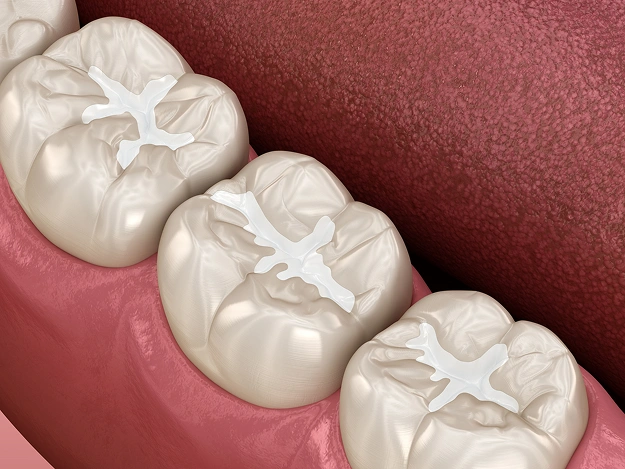
A Simple Solution With Lasting Protection
No matter how well you brush and floss, your mouth has hard-to-reach places, and that's not a failure of effort. The deep grooves and pits on the chewing surfaces of your back teeth are prime hiding spots for bacteria and food particles, making them among the most cavity-prone areas in your mouth. Dental sealants from W. Eric Martin, DDS, PC in Champaign, IL, offer a quick, effective, and completely noninvasive way to protect those vulnerable surfaces and prevent decay before it starts.
Request an Appointment
What Are Dental Sealants and How Do They Work?
A dental sealant is a thin, tooth-colored coating that is painted directly onto the chewing surfaces of your back teeth, typically the molars and premolars. Once applied, it bonds quickly to the tooth and hardens into a smooth, protective shield over the natural grooves and pits where bacteria love to hide.
The procedure is fast, painless, and requires no drilling or removal of tooth structure. Most patients are in and out in a single short appointment, with protection that can last several years under the force of normal chewing.
Dental sealants from W. Eric Martin, DDS, PC are versatile and effective because they:
- Are made of a tooth-colored coating that blends naturally with your smile
- Seal deep grooves and pits from harmful bacteria and food debris
- Act as a physical barrier to protect your tooth enamel from decay
- Require no needles, no drilling, and no downtime
- Last several years with normal use, and can be reapplied when needed
Who Are Dental Sealants For?
Dental sealants are most commonly associated with children, and for good reason. The years when permanent molars first come in (typically between ages 6 and 14) are among the highest-risk years for cavities. Applying sealants shortly after these teeth erupt gives them a head start on a lifetime of protection.
But sealants aren't just for kids. Adults who are prone to cavities, have deeper grooves in their teeth, or simply want an added layer of preventive protection can benefit from sealants, too. If your back teeth are free of decay and existing fillings, you may be an excellent candidate.
At W. Eric Martin, DDS, PC, we're happy to assess whether sealants are a good fit for you or your child during a routine exam. It's one of the most cost-effective preventive treatments available and one of the easiest.
Your Sealant Appointment, Step by Step
Clean & Dry
We thoroughly clean and dry the tooth surface to prepare it for bonding. This ensures the sealant adheres properly and lasts as long as possible.
Prep the Surface
A mild acidic solution is applied briefly to the chewing surface to create a slightly rough texture, which helps the sealant bond securely to the tooth.
Rinse & Dry
The tooth is rinsed and dried again before the sealant is applied, ensuring a clean, ready surface.
Apply the Sealant
The liquid sealant is carefully painted onto the grooves and pits of the tooth, flowing into all the hard-to-reach areas that brushing can't protect.
Bond & Harden
A curing light is used to harden the sealant quickly and securely onto the tooth surface. The whole process takes just a few minutes per tooth.
Check & Go
We check your bite to make sure everything feels comfortable and natural — then you're done. No recovery time, no restrictions. Just lasting protection.
Prevention Now Means Less Treatment Later
Cavities don't wait. The bacteria that cause tooth decay are active every time you eat or drink, and once decay sets in, it requires real treatment: fillings, crowns, or, in serious cases, more extensive restorative work. Dental sealants create a barrier that stops decay from getting started in the first place.
The cost of a sealant is a fraction of the cost of treating a cavity and the time investment is minimal compared to restorative procedures. For children, especially, protecting newly erupted permanent teeth early can mean a lifetime of fewer dental problems and lower treatment costs overall.
A simple appointment today could help prevent tooth decay for years to come.
Protect Your Smile, Starting Today
Whether you're looking to get ahead of cavities for your child or add an extra layer of protection to your own smile, dental sealants are a smart, simple choice. Contact W. Eric Martin, DDS, PC in Champaign, IL, to schedule an appointment. Our friendly team will assess whether sealants are right for you and take care of everything in one quick, comfortable visit.
Request an Appointment
Frequently Asked Questions About Dental Sealants
What are dental sealants made of?
Dental sealants are typically made of a safe, BPA-free plastic resin material. They are tooth-colored, meaning they blend in naturally with the appearance of your teeth and are virtually unnoticeable once applied.
Do dental sealants hurt?
Not at all. The process is completely painless and noninvasive — no needles, no drilling, and no removal of tooth structure. Most patients find it quick and easy, making it an especially great option for children or anyone who feels nervous about dental procedures.
How long do dental sealants last?
Dental sealants typically last several years under the force of normal chewing. During your routine checkups, we'll inspect your sealants and let you know if any need to be touched up or reapplied. With proper care, they remain effective for many years.
At what age should my child get dental sealants?
We typically recommend sealants as soon as a child's permanent molars come in — usually around ages 6 and 12. The sooner the teeth are sealed after eruption, the better protected they are during those high-risk cavity years.
Can adults get dental sealants?
Yes. Adults whose back teeth are free of decay and existing restorations can benefit from sealants just as much as children. If you're cavity-prone or simply want an added layer of preventive protection, ask us whether sealants are a good fit for you at your next visit.
Do sealants replace brushing and flossing?
No — sealants are a complement to good oral hygiene, not a replacement for it. They protect the chewing surfaces of your back teeth, but regular brushing, flossing, and routine dental visits are still essential to keeping your whole mouth healthy.
Does insurance cover dental sealants?
Many dental insurance plans cover sealants for children, often up to a certain age. Coverage for adults varies by plan. Our team will verify your benefits before your appointment, so there are no surprises. We also offer CareCredit financing if needed.
